

A couple of years ago, I had an opportunity to chat with some search-and-rescue experts who walked me through some of the rescue scenarios they’ve encountered, as well as the gear needed to turn a potentially fatal situation into just an uncomfortable night in the woods. I immediately updated what items I keep in my various hiking packs. But one day last year, while navigating some mossy rocks in Michigan’s Pere Marquette River, I realized that I had little, if any, of that life-saving gear in my Orvis sling bag, and if I had a serious injury while fly fishing alone, I’d be in some serious trouble.
With that in mind, I added several items to my fly bag that I bring with me every time I’m out, as well as a few additional items that I bring when I’m fishing solo or in an area with spotty cell phone coverage.
Illumination
A good headlamp is a must. There’ve been a few too many times when the fishing’s been too good, and I’m fumbling my way back through unfamiliar terrain in the dusk.
I keep the Petzl Tikka, an inexpensive, but still bright, headlamp,in my main sling pack and the miniscule Petzl Bindi in my lightweight Patagonia 5L Stealth Switch Pack that I stash in my carry-on. I probably have close to a dozen headlamps stashed throughout my home, camper van, and Subaru Forester; it’s always better to be prepared.
Advertisement — Continue Reading Below
First-aid Supplies
You can buy an Adventure Medical Kit from REI and toss it in your pack, but if you don’t know what’s in it and how to use it, it’s practically worthless. Take things out that you don’t need and add things you do. Remove the medical shears; you have a multitool or knife that’ll do the job. Instead of Band-Aids or molekin, duct tape can be nearly as effective and can be used for other tasks, suggests Rafael Kolic, search leader of Flathead County Search and Rescue near Glacier National Park.
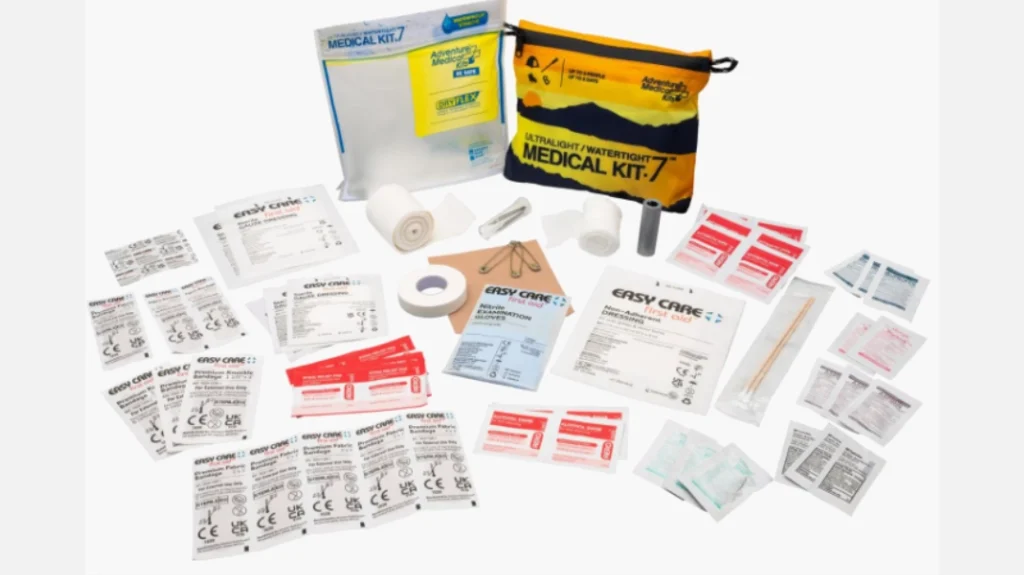
If you don’t have a first-aid kit in your pack, it’s often cheaper and more effective to create your own, stored in a waterproof container or double-bagged Ziplocs. Keep small amounts of ibuprofen, Benadryl (for allergic reactions), and any prescribed medications or inhaler, if needed. Based on Kolic’s advice, I now bring a so-called emergency bandage, which can quickly stop massive blood loss when used correctly.
Tools and Repair Items
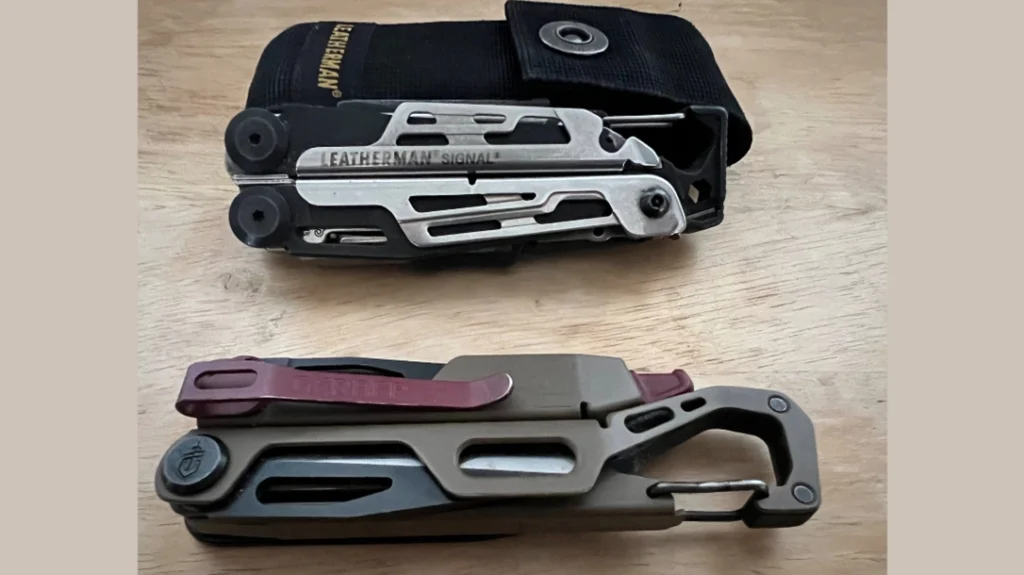
Having a knife stashed in your pack is good, but a multitool like the Leatherman Signal or Gerber Stakeout Spark is even better. The tools, pliers, screwdrivers, etc., make trailside gear repairs much easier, and both multitools have ferro rods that can be struck with the back edge of your knife or saw to start a life-saving fire. (I also keep a small baggie with Vaseline-soaked cotton balls that will help me start a fire in nearly any situation, including wind and rain.) If your multitool doesn’t include a ferro rod, a separate magnesium fire starter is cheap and doesn’t take up much room in your pack.
Advertisement — Continue Reading Below
Whenever I’m nearly done with a roll of duct tape, I usually stash the remnant in my pack. You can also wind it around another piece of gear – say a bottle of floatant – to save space. It’s incredibly useful in a backcountry-survival situation, allowing you to make a slap-dash wader repair or use as a makeshift bandage.
Emergency Warmth or Shelter
I don’t carry a small tarp and paracord that can be used to create a makeshift shelter; instead I stash a small mylar emergency blanket in my pack. I stock up on cheap multipacks so that I can have one in each pack for I use for fishing, hiking, paddling, and more. And while I try to dress appropriately for the weather, sometimes random rain showers will occur. I now carry disposable plastic ponchos in my various bags, and I’m looking forward to trying out the Showers Pass Syncline CC this spring as a lightweight, waterproof layer that’ll live in my bag, just in case.
Food and Water
National Park Service guidelines recommend having at least an extra day’s worth of food when heading out onto the trail, but I just keep a granola bar or some candy in a baggie. You can survive three weeks without food, and if I can’t catch a trout with a full box of flies, then I probably deserve to starve. Kolic prefers Jolly Ranchers as a pick-me-up, not for survival.
“If I’m feeling down and everything hurts, I just pop a Jolly Rancher,” Kolic said. “If one of my friends is suffering a bit, I give them some candy. It could be anything – gum, chocolate – that perks you up and makes you happy.”
Water is one of the biggest needs in a survival situation, but luckily, if I’m fishing, I know I’ll have access to water. I always bring a Grayl water bottle with me that includes a filter to weed out 99 percent bacteria and other impurities. Just drop the bottle into the water and push down with the filter to remove the bad stuff.
Advertisement — Continue Reading Below
Navigation and Rescue Device
Finding my way back to my van usually means just doubling back and following the riverside trail. But if I do mistakenly decide to try a short cut, I can rely on TroutRoutes or OnX Backcountry maps to guide me. (Just be sure to download them first if you’re in an area with spotty cell reception.)
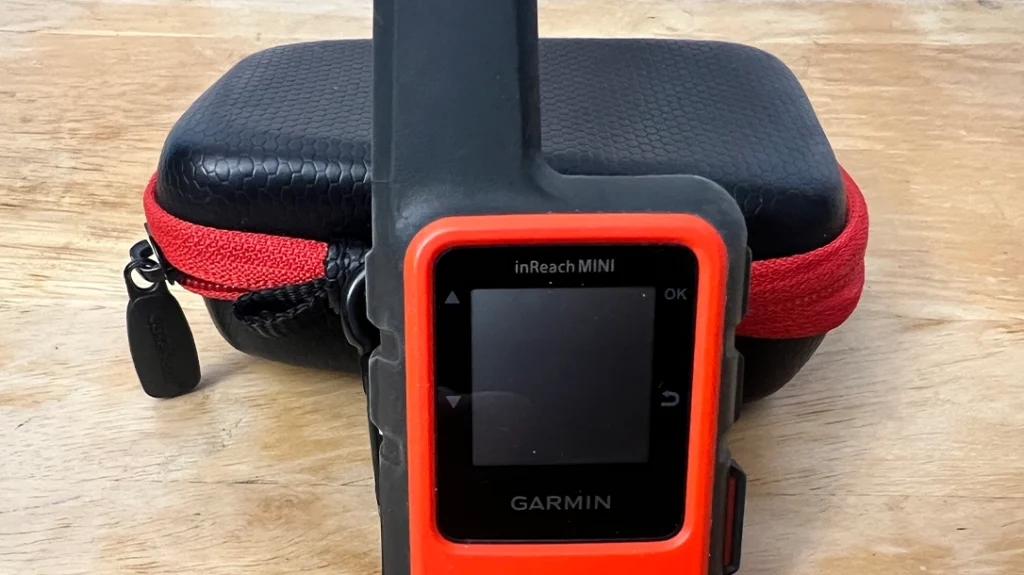
If I’m doing a true backcountry trip, I bring my Garmin InReach Mini, a personal locator beacon/SOS device. But you can’t just buy it and toss it in your bag; you need to register it, buy a subscription, and know how to properly use it. If I’m out on a solo adventure, I can set up the InReach Mini to ping my location periodically so friends or loved ones can see where I am at any given time.
Portable Power Source and Extra Batteries
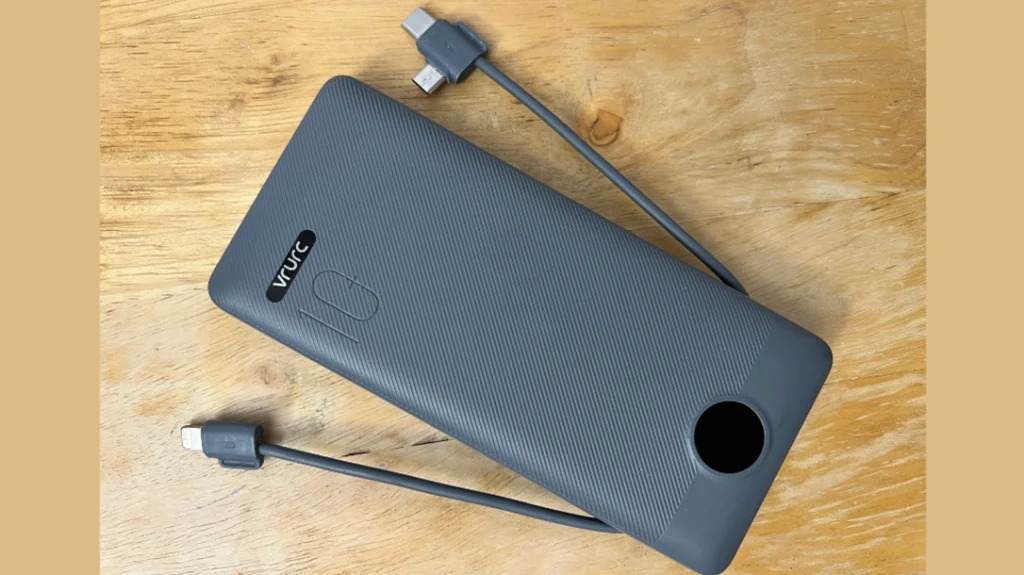
Even if you have an SOS device or working cell phone, if they’re out of juice, they’re essentially worthless. I make sure to fully charge every device the night before a big adventure and also keep a portable power source in a waterproof bag. I like this particular model because the needed cords are attached to the device.
Advertisement — Continue Reading Below
Bear Spray
If I’m fly fishing in grizzly country, I have a can of bear spray attached to my wading belt. Kolic says he knows rangers that travel with two canisters of bear spray, because you don’t want to use all your spray, only to run into another brown bear in the backcountry. But just having it isn’t enough; you need to know how to use it, especially in a critical situation. (Best advice: Don’t apply it as you would bug spray!) Frontiersman sells training canisters filled with water that’s great for practice situations.
WHY OUR ARTICLES/REVIEWS DO NOT HAVE AFFILIATE LINKS
Affiliate links create a financial incentive for writers to promote certain products, which can lead to biased recommendations. This blurs the line between genuine advice and marketing, reducing trust in the content.

