

Policing has undergone significant changes from its traditional form. The implementation of new SOPs (Standard Operating Procedures), body cameras, and laws in general has changed how law enforcement operates on a day-to-day basis. Many of these tactics have changed to protect both police officers and the public. Everything from protocols and policies to equipment has changed in the world of law enforcement.
Police Tactics
The old days of policing are still evident in today’s law enforcement policies. Although there are certainly changes that come with time, adjusting to particular incidents that have occurred, and adapting to technology, law enforcement itself has remained largely unchanged.
Advertisement — Continue Reading Below
To better understand how policing has changed, let’s look at how it used to be, starting in the 1800s, when investigative tactics were beginning to take shape. For instance, during the 1800s and early 1900s, patrol tactics consisted of foot patrol, and at times, the only means of transportation for law enforcement officers were the paddy wagons they drove to pick up those going to jail.
The Old School
As far as equipment back then, police officers were equipped with a sap, which is heavy-gauge leather that covers a heavy weight that is molded to fit inside the leather. They were also equipped with a whistle and a revolver, usually a .36-caliber Colt M1849. Early, often non-standard handcuffs. Police radios emerged in the late 1920s. They also carried a police “rattle” with them in the 17th century. This was a type of whistle made out of wood and metal.
Technology during this time was nonexistent, and if an officer needed to call someone, they had to find a police box. These were similar to payphone booths, but with a direct line only to local police. In the mid-1800s, police photography became standard protocol after Alphonse Bertillon, in Paris, began taking photos at crime scenes and recognized the importance of documenting suspect descriptions and taking mugshots. It was at that point that law enforcement began to place greater emphasis on crime scene evidence and photos in general.
Advertisement — Continue Reading Below
Today, forensic photography plays a key role in investigation and is one of the major forms of evidence shown to a jury. Additionally, taking photos of suspects at the time of their arrest now allows law enforcement to put a face with a name, which helps in quicker apprehension.
The next turning point in the era of police tactics came from the 1970s through the early 1990s. This is the era of the iconic Crown Vic, more advanced radios, and better firearms, including long guns issued for duty.
Every change in the world of policing has evolved to improve law enforcement for officers and the public alike.
Advertisement — Continue Reading Below
Police Tactics-New
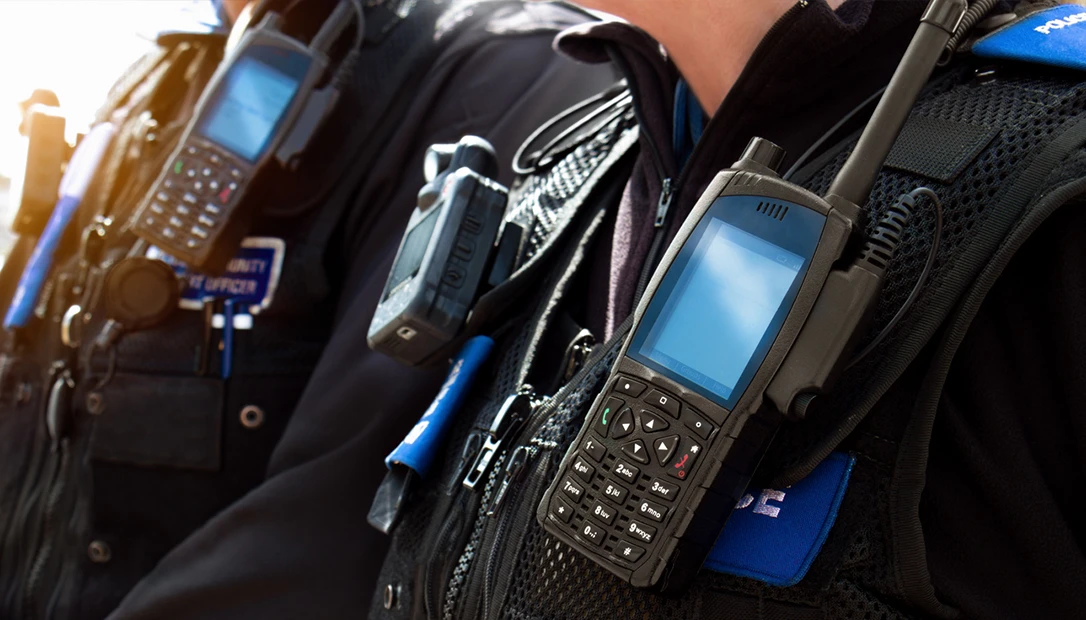
Today, law enforcement officers are equipped with every tool they need in the field, as well as some of the best technology at their fingertips.
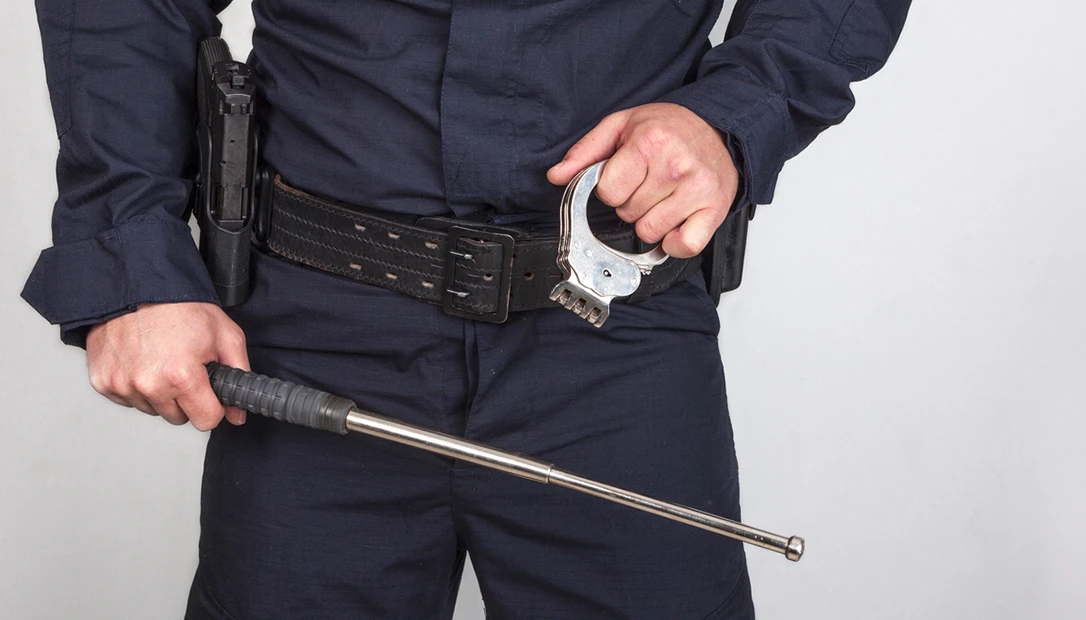
The modern police officer wears a bulletproof vest, a radio, a baton, handcuffs, a taser, pepper spray, a firearm, and a body camera. These are just the tools they actually wear each day. Law enforcement vehicles are now equipped with license plate readers, in-car computers with internet access, dash cams, two long guns, medical kits, and more.
Advertisement — Continue Reading Below
One of the most impactful changes in police tactics is the level of transparency practiced. In the past, if law enforcement was working on a case, there may have been a small article in a newspaper, or a quick two-minute news clip on TV, but often the public was unaware of what police were working on.
Today, most law enforcement agencies use social media to spread the word about a crime. This is either to alert the public of potential danger or to see if the public has any additional information that may help an investigation. The other reason law enforcement uses social media is to maintain transparency within the department. This is to protect the integrity of police officers and to gain trust with the communities they serve.
Smile! You’re on Camera
The prevalent use of body cameras is for the same reasons. In fact, when an incident occurs, the officer’s body camera footage is often the first piece of evidence reviewed. Body cameras have had such an impact on policing that tactics have changed, and officers are held accountable for every action. In addition, some states have enacted new laws requiring law enforcement officers to keep their body cameras on and recording, with audio and video, while interacting with the public. This protects both the community and the officers.
Advertisement — Continue Reading Below
Other new policing tactics include community policing and predictive policing. Though community policing relies more on the exchange of information between the public and law enforcement, and predictive policing relies on gathering intel through technology, these two concepts go hand in hand.
Community Policing is a concept many law enforcement agencies have been using for at least a decade. It involves building rapport within the community so that the public will feel comfortable enough approaching the police when they have information that may be helpful.
Predictive Policing refers to the use of technology and reporting systems to map which locations in a city are likely to experience more crime. Law enforcement can then use that data to develop patrol tactics based on the information received. For instance, if a particular neighborhood suddenly experiences a string of burglaries, police can set up close patrols in that area to reduce crime through increased police presence and potentially identify the subjects responsible.
Advertisement — Continue Reading Below
Defense Tactics
Defense tactics and strategies have changed over the years as well. These days, law enforcement officers are required to carry more non-lethal tools than before. The reason for this is to enforce while also trying to de-escalate the situation. Less lethal tools include tasers, batons, and powerful pepper spray. While the baton is not a new tool in law enforcement, the taser and pepper spray are.
Officers are trained to attempt to de-escalate first, before using lethal force. Some agencies are now training officers in other self-defense techniques, too, such as Jujitsu and other forms of martial arts. This type of training, paired with other tactics, gives officers more or less lethal options to get a handle on a situation before resorting to the highest level of force.
Advertisement — Continue Reading Below
Today, law enforcement has extensive firearms training and scenario training that includes de-escalation. This training, along with other trainings that include handling subjects who may have a mental illness, is conducted annually.
The change in police tactics has been focused more on keeping the peace, being accountable, and maintaining transparency to the public. Officers are trained to handle a variety of situations in a matter of seconds. Each officer goes through extensive training with the goal of keeping everyone safe in mind; that aspect of law enforcement has not changed, though technology, de-escalation tactics, self-defense, and equipment have.

