

As preppers, we sometimes tend to concentrate on the more extreme end of things, like EMP or mass casualty events. In doing so, we often overlook the far more common, though mundane, situations that can arise. If we’re being realistic, we’re far more likely to be injured working around the house than we are to end up facing a societal collapse. So, it just makes sense to keep safety top of mind.
Safety First
Common Sense Precautions
When you’re using a ladder, ensure it’s on stable, level ground before you climb. Don’t overextend your reach when you’re on it, particularly if you’re up high. The last thing you want is for the ladder to slip or slide with you at the upper end of it. Whenever possible, have a spotter nearby, just in case things go awry. They won’t be able to catch you if you fall, but they’ll be able to call 911 after you land.
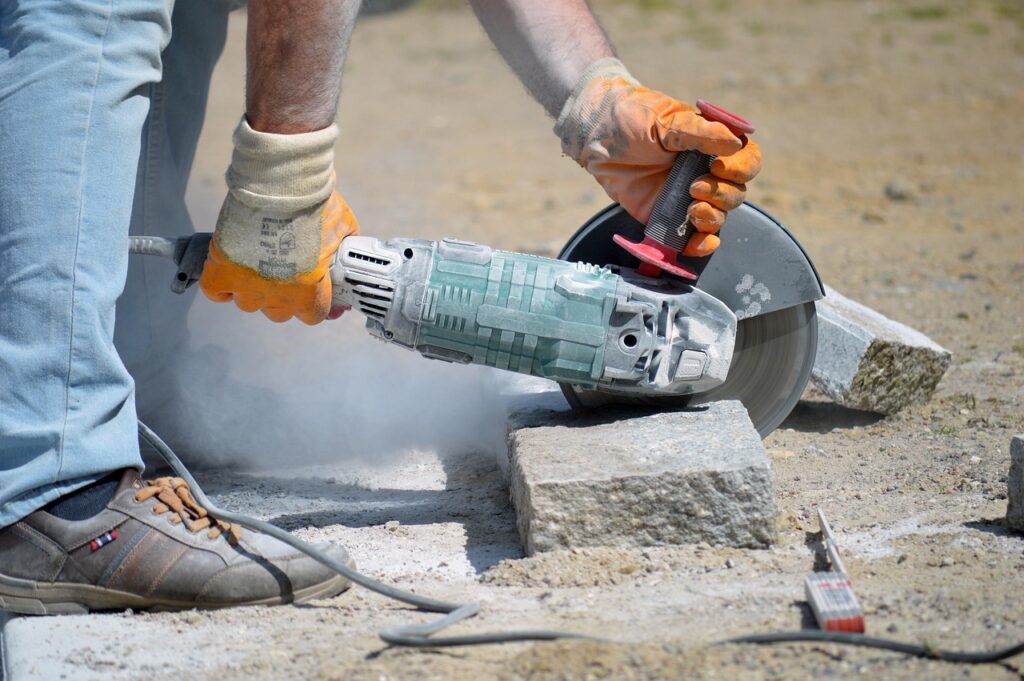
When it comes to power tools, read and follow all instructions provided by the manufacturer. They know the tool better than you do, both its capabilities as well as its limitations. Be mindful of extension cords and don’t overload outlets.
Wear the appropriate personal protective equipment when you’re working on projects around the house. This is particularly important when it comes to eye and ear protection, two areas many homeowners tend to neglect.
Keep hallways and stairways clear of clutter for your own safety as well as that of others. Don’t be afraid to turn on a light at night so you can see where you’re walking.
House Fire Mitigation
Every home should have multiple fire extinguishers. At a minimum, have one in or near the kitchen and another in the garage. Always have a container of baking soda handy for grease fires in the kitchen, too. Never throw water on a grease fire.
There should be a smoke detector on every level of the home and one in every bedroom. Avoid placing them in areas subject to a lot of dust and dirt, such as right above work areas in a home workshop. Keep them about 10 feet away from bathrooms to avoid humidity problems.
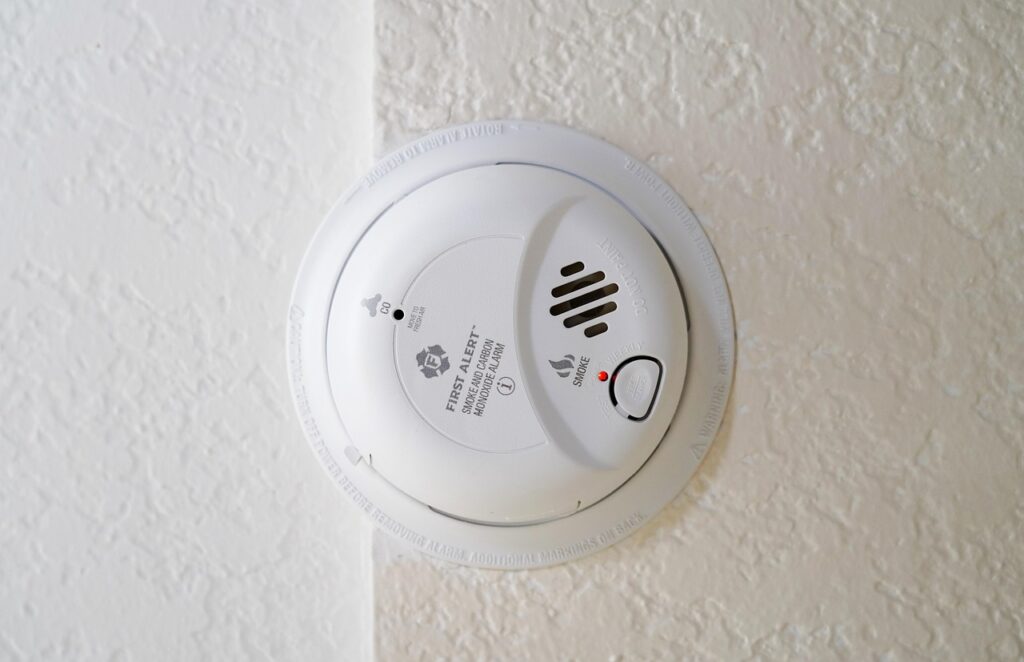
Install a carbon monoxide detector on each level of the home. Even if you don’t have gas appliances, the Environmental Protection Agency (EPA) and other similar organizations recommend doing so.
Test all of your alarms at least every six months. Make sure you can actually hear the alarms throughout the home.
Poison Control
Post the phone number for Poison Control (800-222-1222) on the refrigerator or in another prominent place. Save it as a contact in your phone, too.
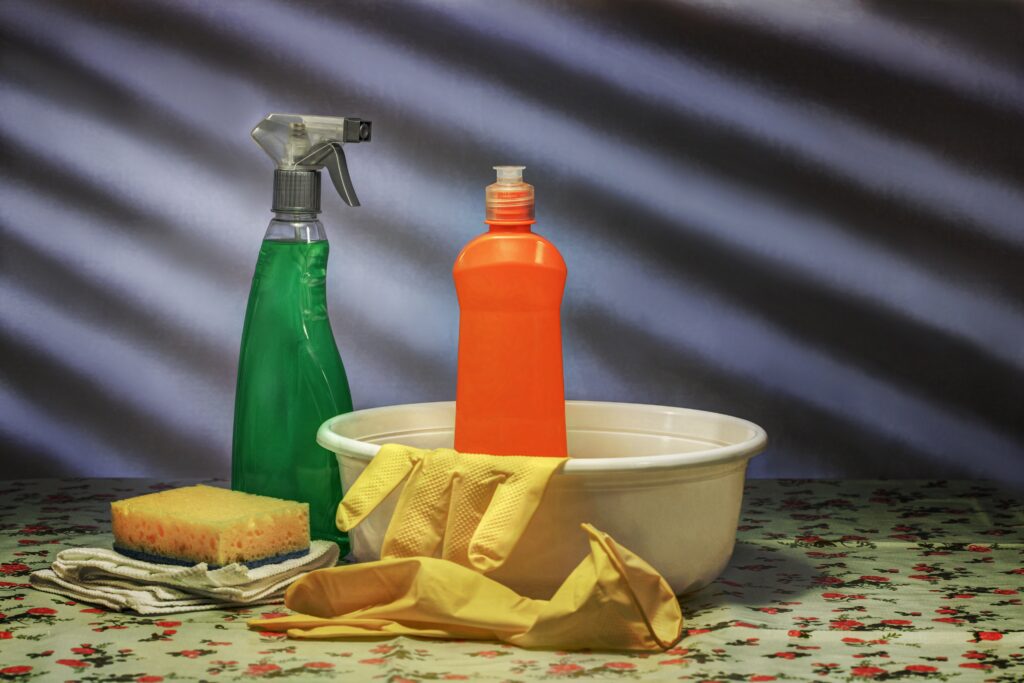
All cleaning products should be stored properly. Use child locks to prevent little ones from getting access to them.
Don’t mix cleansers. Adding a bleach product to an ammonia product can cause chloramine gas, which can lead to shortness of breath and other symptoms. Bleach and vinegar create chlorine gas, which will cause breathing problems and burning, watery eyes. Rubbing alcohol and bleach make chloroform, which is toxic. Vinegar and hydrogen peroxide make peracetic acid, which is highly corrosive.
Keep hygiene products like mouthwash, toothpaste, and hair products out of the reach of small children as well.
Do what you can to prevent accidents around the house. Make household safety a priority. Don’t rush projects. Take your time and adhere to proper safety protocols.
The post An Ounce of Prevention – Avoiding Injuries and Emergencies appeared first on Athlon Outdoors Exclusive Firearm Updates, Reviews & News.

