

The first time I paddled a fishing kayak into a backwater slough that my buddy’s 18-foot aluminum boat couldn’t touch, I understood immediately why kayak fishing had been quietly taking over the sport. That slough held bass nobody had pressured in years. Two hours and several solid largemouth bass later, I was sold. If you fish smaller rivers, winding creeks, hidden lakes and ponds, or any water where a bigger boat is more liability than asset, a kayak doesn’t just improve your fishing. It fundamentally changes what’s possible.
Unparalleled Access to Hidden Waters
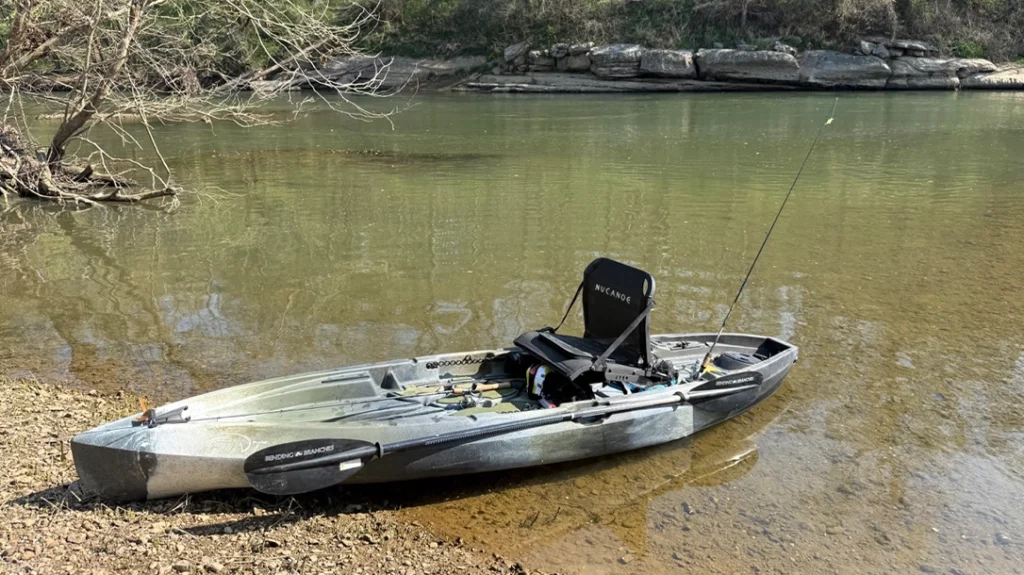
Perhaps the most compelling advantage of kayak fishing is the access it opens to waters that larger boats simply cannot reach. A fishing kayak draws just a few inches of water. That means you can ghost through the flooded timber at the back of a lake cove, work your way up a creek that empties into a river bend, or nose into a marshy channel so tight you can practically touch both banks with your paddle. No boat ramp required. A gravel pullout, a muddy bank, a wooded trail, or even a culvert opening is a viable launch point.
The real prize is the fish behavior in these overlooked and hidden spots. Bass tucked into a cattail edge on a shallow lake flat haven’t seen a lure in months. Smallmouth holding behind a mid-stream boulder pile are used to a world where nothing threatens them from above. I’ve had bass hit a topwater lure before I even finished my cast because the area was that undisturbed and pristine.
Stealth Advantage
Fish are wired to detect pressure waves, vibrations, and anything that breaks the natural rhythm of their environment. A trolling motor, even a quiet one, sends a low-frequency hum through the water column that fish feel before they see the boat. When you ease a kayak into those zones without the warning signal of a trolling motor or the bow wake of an aluminum boat, fish that are normally wary will often be more aggressive.On smaller rivers and shallow lakes, that difference can be the entire game.
Advertisement — Continue Reading Below
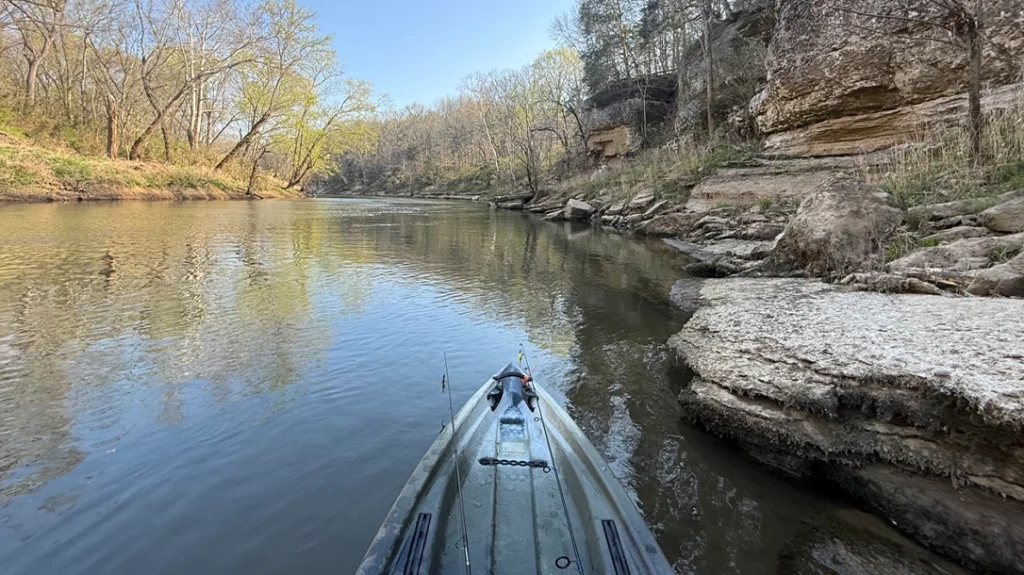
The visual profile matters too. Sitting low on the water keeps your silhouette below the sight line fish use to detect overhead threats. Combined with the silence, you can work into casting range of fish that have been educated by boat traffic and shoreline pressure for years. I’ve eased within 20 feet of feeding smallmouth that had no idea I was there. The margin for error is often slim, and kayaks let you operate inside it.
Affordable Adventure
Let’s talk numbers. A quality fishing kayak runs anywhere from $400 for a basic sit-on-top to around $800 for a well-equipped model with rod holders, gear tracks, and a stable rotomolded hull built for added durability. Compare that to even a modest aluminum fishing boat with a small outboard and trailer, and you’re looking at a cost difference of several thousand dollars before you register it, insure it, or pump your first tank of gas.
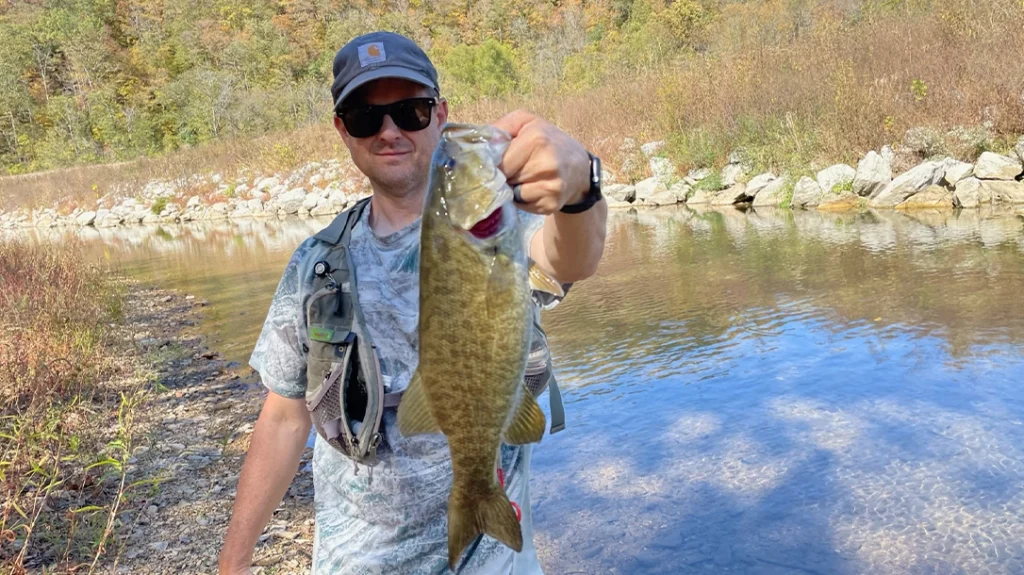
The savings also extend well beyond the sticker price. No motor means no winterization, no impeller replacements, no fuel costs, and no registration fees in most states. When I started kayak fishing, the money I stopped spending on boat maintenance could go directly into better rods and quality tackle. That trade-off alone changes the economics of the sport in a significant way.
Advertisement — Continue Reading Below
Physical and Mental Benefits
Paddling an efficiently designed kayak works your core, shoulders, and back in a way that feels productive rather than punishing. Navigating current, maneuvering around obstacles, and repositioning in tight cover requires real balance and coordination. After a full day on the water, you feel it in the right places without the joint impact of running or hiking. It’s the good kind of tired that often ends with a good meal and a solid night of sleep.
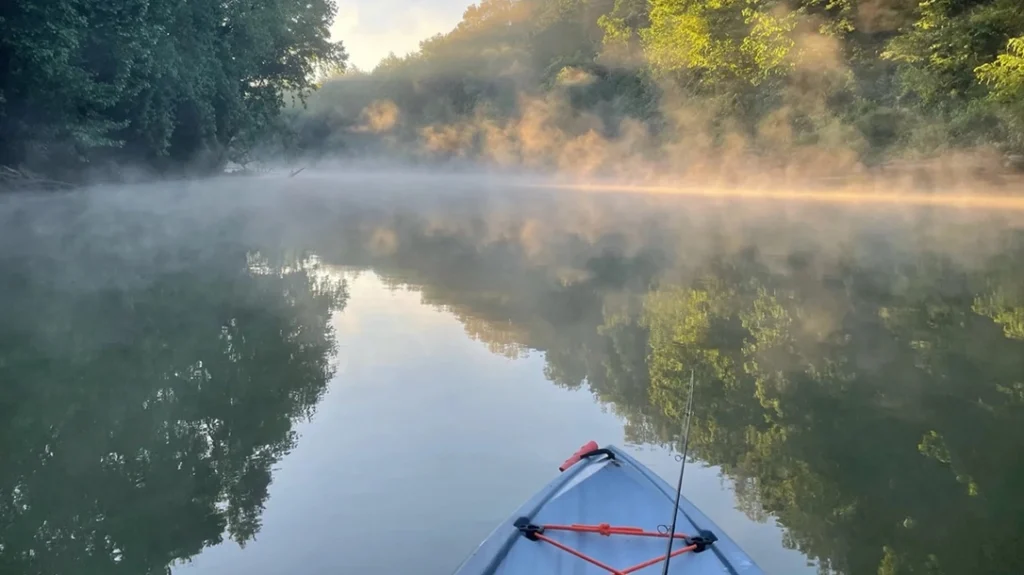
There’s also something genuinely grounding about being that close to the water. No gas fumes, no motor noise, and no electronics chirping at you. Just the sound of your paddle in the water, the occasional call of a bird in the tree line, and the gentle ripple of the stream. That kind of peace and quiet is harder to find than most people realize, and kayak fishing delivers it without requiring a backcountry permit.
Challenges to Consider
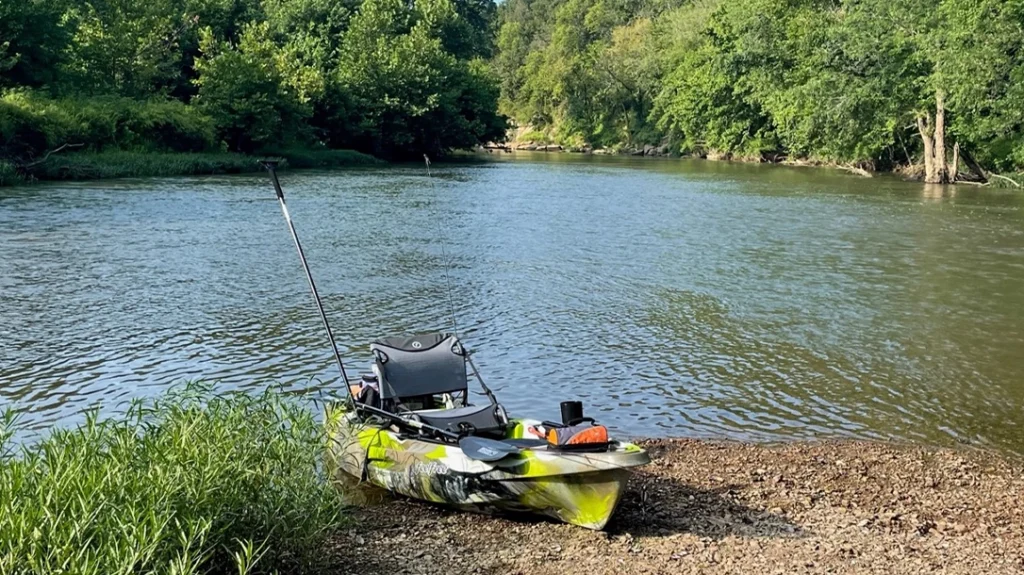
Despite its many advantages, kayak fishing in smaller lakes does present a few challenges to consider. Weather conditions affect kayaks more dramatically than larger boats. A stiff breeze that barely ripples the surface of a bass boat can push a kayak sideways and turn a calm morning into an exhausting battle just to hold position. Using a small anchor can make a big difference in being able to maintain your position in shallow lakes and rivers.
Advertisement — Continue Reading Below
Gear capacity is also limited, and that forces real decisions. You can’t bring four tackle bags, a cooler full of drinks, and clothing for every weather scenario. What you can do is bring three or four rods rigged and ready, a kayak crate with several tackle trays with the lures and patterns that consistently produce, and whatever safety gear you need. I often travel light and find it refreshing.
Navigation and Safety
Smaller streams and rivers often feature obstacles not found on open lakes. Fallen trees, submerged rocks, and varying water levels would be tough to navigate in a flat bottom boat. Fortunately, fishing kayaks are quite nimble to maneuver around these obstacles, and their added stability make them less likely to flip than a canoe.
On lakes, the obstacles shift but don’t disappear. Open-water distances can be deceiving, and paddling across a lake feels manageable until a strong wind shift turns the return trip into a real workout. Fishing smaller ponds and lakes reduce these obstacles substantially. Wearing appropriate safety gear, including a properly fitted life jacket, remains non-negotiable even in seemingly calm waters.
Why More Anglers Are Making the Move
Kayak fishing has grown in popularity because it provides real advantages. Access, cost, stealth, and being closer to the water all adds up to a genuinely better fishing experience. If you’ve been eyeing water you can’t reach from the bank or with a bass boat, a fishing kayak could be just the ticket to catching a trophy. Give it a try, and you’ll likely wonder what took you so long.
Advertisement — Continue Reading Below
WHY OUR ARTICLES/REVIEWS DO NOT HAVE AFFILIATE LINKS
Affiliate links create a financial incentive for writers to promote certain products, which can lead to biased recommendations. This blurs the line between genuine advice and marketing, reducing trust in the content.