

Turkey hunting is often a battle of wits and strategy against a bird with a brain the size of a walnut. Harvesting turkeys is not as easy so much of the content out there makes it seem. It can test your sanity, making you question why you bother with this whole thing when you could just sleep in instead. I’ve been chasing them for decades with minimal success, yet I am out there each spring ready to go hand to hand with an old gobbler. What is the key to consistently tagging these birds?
Talk to ten hard-core turkey hunters about the most important aspect of turkey hunting and you will get ten different answers. So, I went on a mission to search out those answers and then rounded them up.
The Turkey Experts Weigh In
Preston Pittman of Pittman Game Calls in West Point, Mississippi knows turkeys. As a five-time world champion turkey caller, plus gobs of real-world experience in the turkey woods, Pittman believes the biggest key in the turkey woods is safety. Having survived two hunting accidents where he had been shot, he thanks God he is still alive and able to hunt turkeys.
“After safety the most important aspect of turkey hunting is a little thing called patience,” Pittman said. “Patience is the key, give him more time.”
Russell Knight of Browning’s Turkey Hunter TV believes calling is the most important aspect of turkey hunting.
Advertisement — Continue Reading Below
“That’s why you are there to sound like a hen. Knowing how to use the range of calling, knowing how to soft call, knowing how much to call,” he said. “That’s the most important thing.”
Ted Zangerle from The Hunting Public deems woodsmanship as the most important aspect. Especially important, he said, is knowing how to navigate the woods, and knowing which habitats the turkeys like to hang out in. Another crucila thing is making sure you are well conceled, he noted.
Harold Knight of Knight & Hale Game Calls, located in Cadiz, Kentucky believes the most important aspect of turkey hunting is understanding turkey behaviro and how it relates to the season. Early season turkeys have different motivations than late season turkeys, so knowing what transition the turkeys are in makes a big difference.
“In the early and mid-season the hens are looking for gobblers and you can do a lot of calling,” he said. “Towards the end of the season I call a lot less as the hens are sitting on nests.”
Advertisement — Continue Reading Below
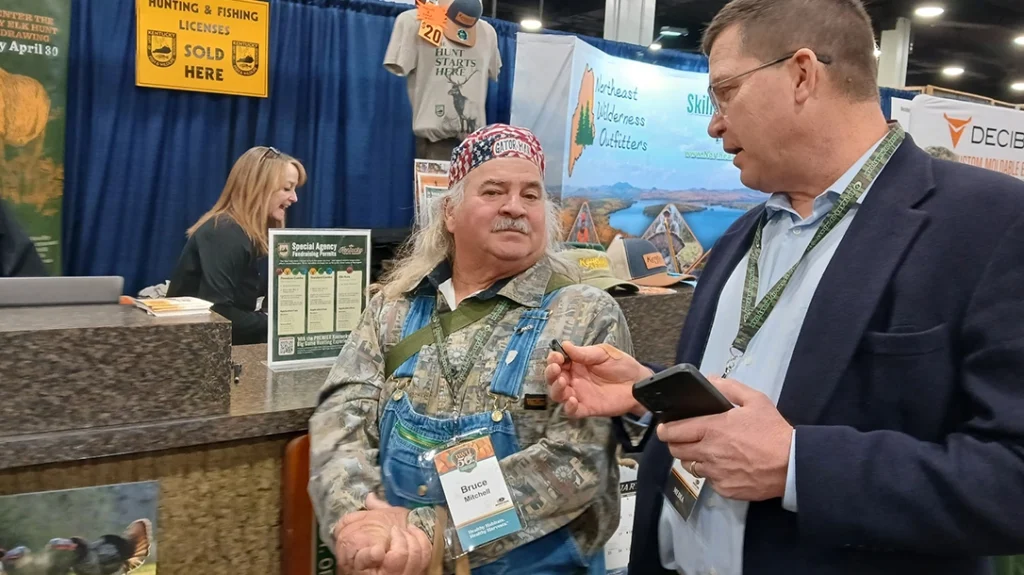
Bruce Mitchell of the History Channel’s Swamp People believes that success or not, it is about the camraderie among turkey hunters. Anyone who’s chased a gobbler knows the patience, frustration, and obsession it takes.
“After the hunt is over it seems like everyone gets together, they talk about what they saw, what they didn’t t see, what they shot, I think that is pretty cool,” he said. “Keeping people together, you know?”
Scouting, Calling, & Thinking On Your Feet
Eddie Salter of Eddie Salter Game Calls, located in Evergreen, Alabama believes scouting takes center stage.
“I don’t think hunters put enough emphasis on scouting,” Salter said. “You need to know your territory. Sometimes there’s something like a little creek that turkey won’t cross but knowing your terrain will let us know what’s in the area.”
Advertisement — Continue Reading Below
Joe Slaton of Mother Lode Turkey Calls in Linden, California believes in doing your due diligence.
“Get off the couch, get out in the woods,” he said. “Put your time in. If I have three days to hunt a turkey I’ll find out what the turkey is doing, where he’s living, where he’s roosting. I figure out that turkey’s life cycle. At the end of those three days, I can usually kill that turkey.”
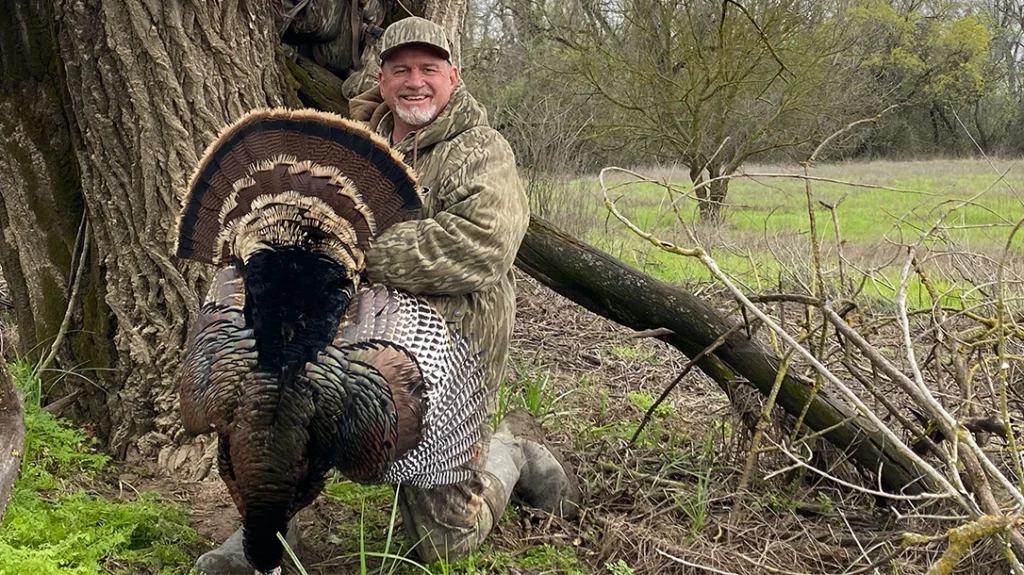
Shane Simpson of Shane Simpson Hunting believes calling is part of woodsmanship. The better you get at understanding calling, the better you will be at mimicking calling, he said. There is knowledge that can only come from experience and time in the woods, such as knowing how much to call or all the different calls a turkey makes. It’s not just yelping, clucking and cutting, he said, but also the little nuances like whines, jake yelping, and being able to gobble.
Ray Eye turkey hunting legend from Dittmer, Missouri believes turkey hunters need to slow down.
Advertisement — Continue Reading Below
“Everybody is in a hurry,” he said. “Everything is fast food drive-thru. Hurry this, hurry that. It’s not that way in the woods. Everyone gets in a hurry, slow down to turkey time. Where they live, they don’t get in a hurry. If you get in a hurry, you will mess up and bump birds.”
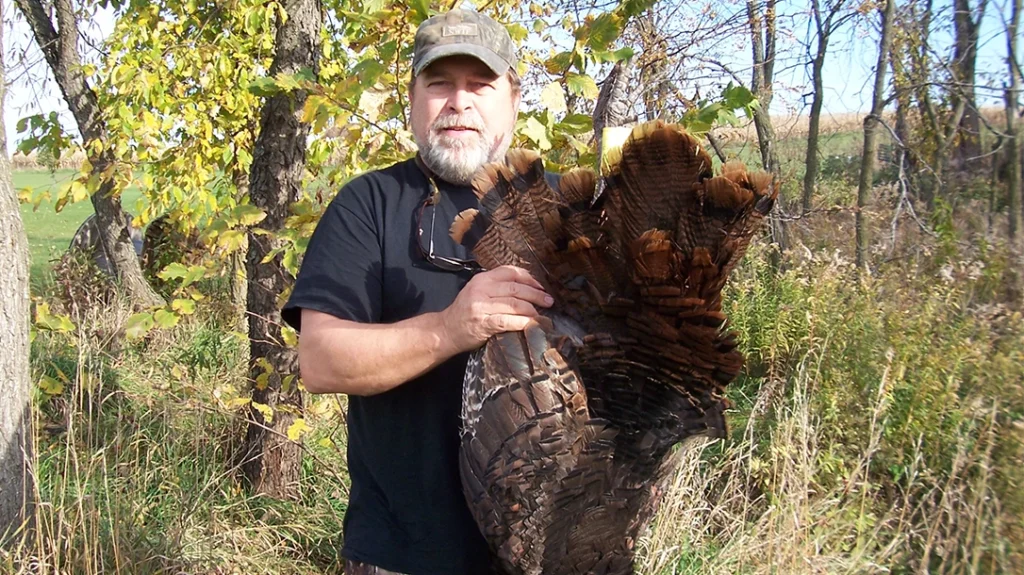
Turkey hunting legend Brad Harris of Neosho, Missouri thinks thta being able to stay flexible hels a whole lot while turkey hunting.
“Understanding where you are hunting, knowing the birds you are hunting, being able to change up, hunting by the seat of your pants, not following the book,” he said. “Everyday is a different day. Every state or every subspecies you hunt is a different bird and every day you hunt him it’s going to be different. The most important aspect is to master the basics. Understand your quarry and face every day as a new day of hunting. Use what you learned yesterday. Deploy different tactics you learned yesterday to hunt him tomorrow. It’s like a chess match. I don’t believe it’s calling. I know some of the worst callers are the best killers. They evaluate every day as a new day.”
WHY OUR ARTICLES/REVIEWS DO NOT HAVE AFFILIATE LINKS
Affiliate links create a financial incentive for writers to promote certain products, which can lead to biased recommendations. This blurs the line between genuine advice and marketing, reducing trust in the content.
Advertisement — Continue Reading Below

