
There’s a shift happening in the outdoor economy, and it affects how trappers can sell their products in the digital marketplace.
In April 2026, online retail giant Etsy announced it will ban the sale of animal fur products across its platform, effective August 11. The policy targets any item “made from or containing the fur of animals killed primarily for their pelts,” with no exceptions for vintage pieces. This new policy applies to raw pelts, finished garments, and accessories made with real fur from animals such as mink, fox, and rabbit, regardless of age or origin. It excludes taxidermy and products such as leather or items made from wool.
At first glance, it looks like just another corporate policy update in an increasingly image-conscious retail world. But on the ground, especially in places like Maine, the impact is immediate, personal, and unignorable. It is yet another blow to an already-suffering industry.
A Direct Hit to Small-Scale Trappers
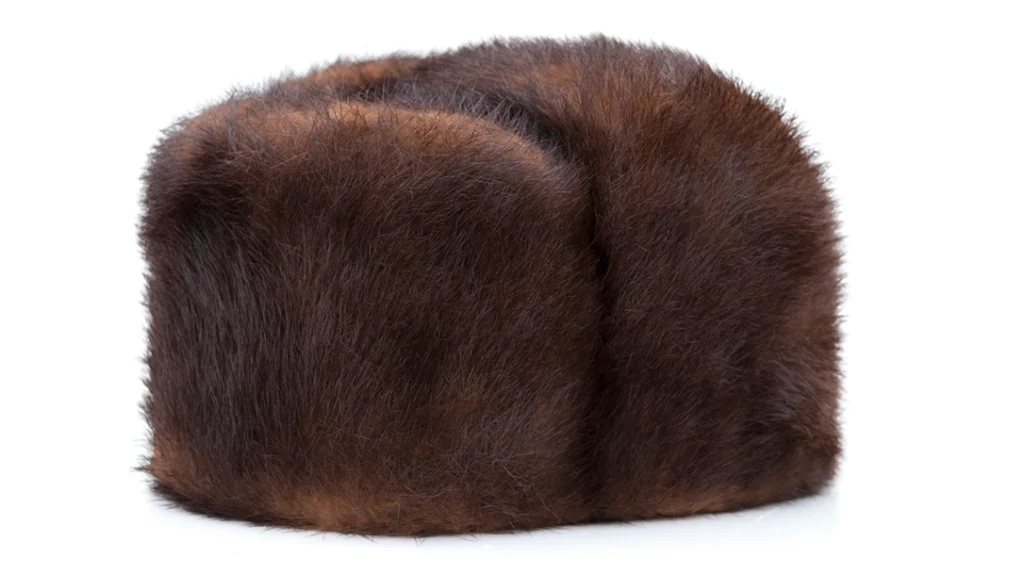
For many fur trappers, Etsy was the main funnel to sell their products. Across Maine, for instance, where roughly 4,200 licensed trappers operate (with about half active each year), platforms like Etsy have allowed small producers to bypass traditional fur auctions and sell directly to consumers. Fur markets have been inconsistent at best in recent years, with certain pelts bringing low returns or sitting unsold. Direct-to-consumer platforms gave fur trappers a way to add value by turning raw pelts into finished goods like hats, mitts, and cold-weather gear.
Advertisement — Continue Reading Below
“Etsy has been our primary way of reaching customers, so this ban directly cuts off the main sales channel we have worked hard to build and sustain over the past three years,” Cassie Larcombe, who owns and operates Maine Wild Harvest Co. with her fiancé, said. “As a small, Maine‑based business, we relied on the Etsy platform to connect with people who value sustainably and ethically harvested fur across the United States. Losing this access doesn’t simply change where we sell, it makes it significantly harder for small, rural businesses like ours to be seen at all.”
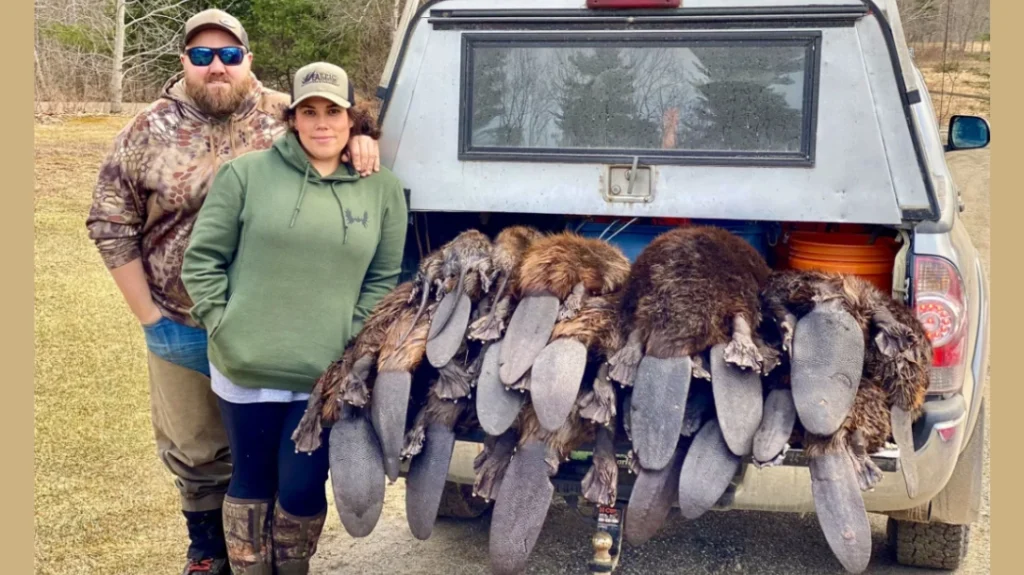
The ban leaves business owners like Larcombe scrambling to find a new digital home to promote and sell their fur-based products. Many of these businesses aren’t large-scale operations. They’re rural entrepreneurs who rely on seasonal income streams tied to trapping. Losing a marketplace like Etsy could mean rebuilding an entire customer pipeline from scratch.
Pressure from Anti-Trapping Groups
Etsy’s fur ban came in response to a campaign by the Coalition to Abolish the Fur Trade, which organized protests and public pressure targeting the company and its affiliates. That anti-trapping pressure campaign appears to have worked.
Advertisement — Continue Reading Below
Etsy framed the move as part of a broader push toward sustainability and biodiversity, aligning itself with a growing list of retailers and fashion brands distancing themselves from fur.
“It’s disappointing that Etsy claims this ban is part of a biodiversity effort, when in reality it has the opposite effect,” Larcombe said. “Sustainably and ethically harvested real fur is a secondary by‑product of responsible wildlife management, which helps balance ecosystems and reduce human‑wildlife conflict. Using the fur is an additional benefit of that process. Real fur is biodegradable, reusable, and entirely natural, while faux fur is petroleum‑based, non‑biodegradable, and exists outside of any natural cycle.”
From a corporate standpoint, the decision fits a larger trend happenig across the fashion and retail industries, where fur has been steadily losing ground as brands respond to consumer sentiment, activist campaigns, and shifting definitions of “ethical” materials. That narrative, however, doesn’t always align with how fur exists in the hunting and trapping world.
Two Very Different Conversations
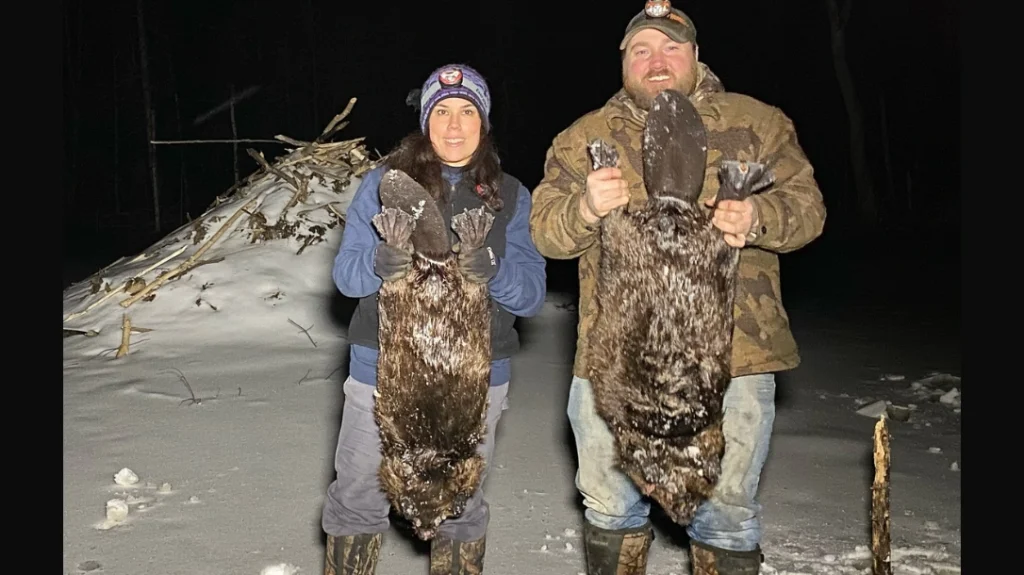
In mainstream retail, fur products are often associated with large-scale farming, luxury fashion, and animal welfare concerns. But for small scale fur product operations, that isn’t what’s happening. The fur used to make products at the small scale level i ethically and legally procured through regulated trapping.
Advertisement — Continue Reading Below
Trapping is highly regulated, with strict seasons, quotas, and methods designed in coordination with wildlife biologists. It plays a role in predator management, population balance, and habitat health. And in many cases, the animals harvested are used as much as possible. Not only fur is utilized, but also meat, bones, and other by-products.
That’s why Etsy’s fur ban is not a win for sustainability. It is, at best, a cultural misunderstanding.
What Comes Next
Some fur-based small businesses are pivoting to standalone websites. Others are leaning harder into local markets, wholesale relationships, or social media-driven sales. A few are doubling down on in-person events and direct customer connections. All of those require more cost, both in time and dollars.
The people who make up the fur trapping industry are gritty and hard-working. Time will tell how this latest blow will affect their business both in the immediate future and in the years to come.
“While this decision is a setback, we will adapt,” Larcombe said. “In the weeks and months ahead, we will be transitioning Maine Wild Harvest Co. to a new platform and launching our own website.”
Advertisement — Continue Reading Below
WHY OUR ARTICLES/REVIEWS DO NOT HAVE AFFILIATE LINKS
Affiliate links create a financial incentive for writers to promote certain products, which can lead to biased recommendations. This blurs the line between genuine advice and marketing, reducing trust in the content.

