
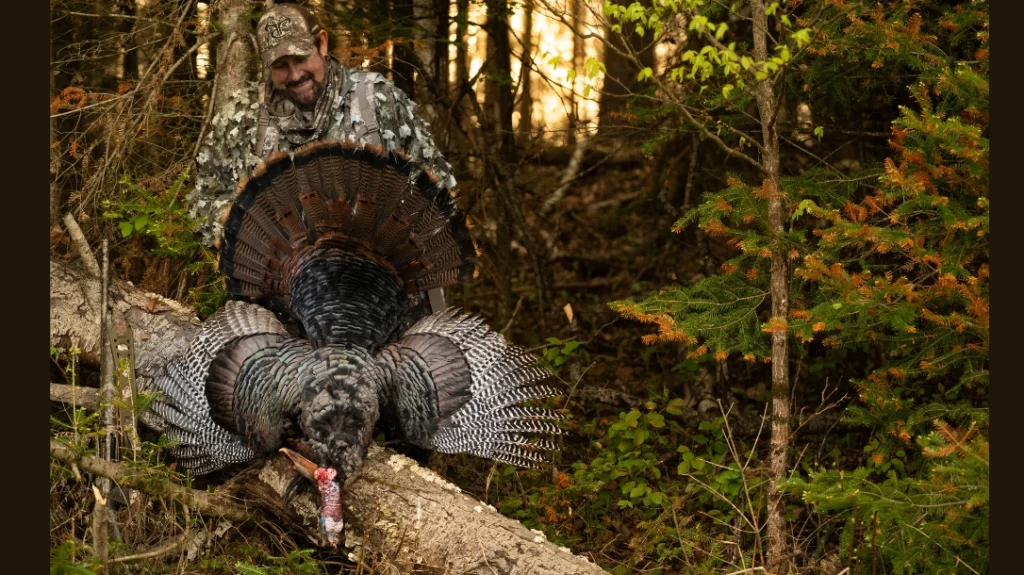
For a lot of hunters, tagging a single spring gobbler is enough. It’s a win. A memory, meat in the freezer and a story worth telling.
But for some, one bird turns into two. Two turns into travel. And before long, you’re not just hunting turkeys, you’re chasing all of them. That’s where the idea of the turkey slam comes in.
What Is a Turkey Slam?
At its core, a turkey slam is a self-imposed challenge: harvest a specific group of wild turkey subspecies within a set region or timeframe. Some slams are relatively attainable with planning. Others take years, serious travel, and a lot of persistence. There isn’t just one slam. There are several, each increasing in difficulty.
The Grand Slam
The Grand Slam is the one most hunters talk about. It’s achievable, but it still requires effort, travel, and strategy.
Advertisement — Continue Reading Below
To complete it, you need to harvest all four subspecies of wild turkey found in the continental U.S.:
- Eastern – The most widespread and often the first bird hunters pursue
- Osceola – Found only in central and southern Florida
- Rio Grande – Ranges across Texas, the Great Plains, and parts of the West
- Merriam’s – Typically found in mountainous regions of the western U.S.
Each bird requires a different style of hunting, terrain, and timing. Chasing the various kinds of birds are completely different experiences.
Some hunters complete a Grand Slam over multiple seasons. Others go after the Single Season Slam, taking all four birds in one spring. That’s where things get serious.
Royal Slam
The Royal Slam includes the four Grand Slam birds plus the Gould’s turkey, which primarily lives in Mexico. There are limited huntable populations in Arizona and New Mexico, but tags are hard to draw.
World Slam
The World Slam builds on the Royal by adding the Ocellated turkey of the Yucatán Peninsula. This bird is unlike anything in North America, bright, iridescent, and notoriously difficult to hunt in dense jungle conditions.
Advertisement — Continue Reading Below
Canadian Slam
This one requires harvesting turkeys in each Canadian province that allows nonresident hunting:
- Ontario
- Quebec
- British Columbia
- New Brunswick
- Alberta
This is less about subspecies and more about geography and logistics.
Super Slam
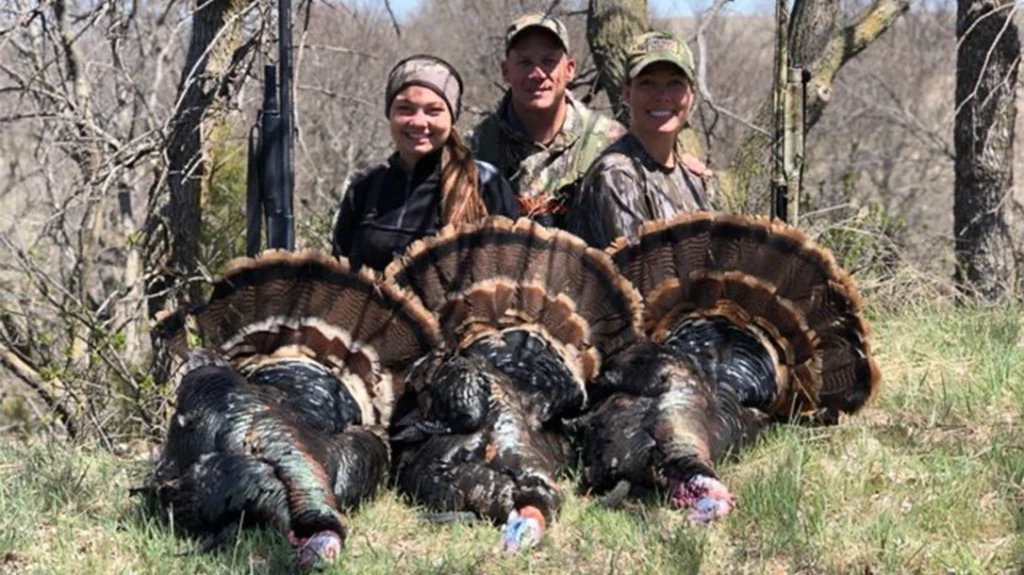
The Super Slam is one of the toughest challenges in turkey hunting: harvesting a turkey in all 49 states that have huntable populations (every state except Alaska). Only a small number of hunters have ever completed it.
What Makes a Slam So Difficult?
It’s not just about killing turkeys. It’s everything around it.
Advertisement — Continue Reading Below
- Travel – You’ll cover serious ground, often across multiple states in a short window
- Regulations – Seasons, tag systems, and deadlines vary widely
- Access – Some areas are over-the-counter, others are draw-only
- Timing – Peak gobbling activity doesn’t line up perfectly across regions
In other words, success comes down to preparation just as much as skill.
How to Plan Your First Slam
Start with what you know. If you live east of the Mississippi, you likely already have access to Eastern birds. Take advantage of that and tag your Eastern close to home. It builds confidence, saves money, and gives you a strong starting point before you start traveling.
When you do travel, think beyond just one hunt. If you tag out early, have a backup plan in place. That might mean lining up another state within driving distance, securing a second tag, or targeting a different subspecies nearby. The hunters who are successful at slams are the ones who stay flexible and capitalize on opportunity.
Tag availability should be one of your first considerations. Some states offer over-the-counter tags, making them easier to plan on short notice, while others, including Florida for Osceola, require applying well in advance. Understanding deadlines, draw odds, and nonresident rules can make or break your season before it even starts.
Finally, build a rough timeline for your hunts. Many hunters kick things off in March with an Osceola hunt in Florida, then move into Texas or Oklahoma for Rio Grandes, and head north or west for Merriam’s in places like Nebraska or South Dakota. Having that general roadmap helps you stay organized while still leaving room to adapt as conditions change.
Advertisement — Continue Reading Below
Lessons From a Pro
Turkey hunting legend Jeff Budz has taken the slam concept to another level, completing dozens of Grand Slams and multiple higher-tier slams. One of his biggest takeaways is simple: don’t wait for the “perfect” time, make the time. Life will always find a way to fill your schedule, and if you don’t prioritize getting out there, the season will slip by before you know it.
Preparation is another major piece of the puzzle. Budz emphasizes planning as much as possible before the season starts, knowing tag requirements, understanding where you can hunt, and having a general idea of your backup options. The more decisions you make ahead of time, the more efficient you’ll be when it matters.
Time to Slam
A turkey slam isn’t just about numbers. It’s about seeing new country, learning how birds behave in different environments, and pushing yourself as a hunter. It forces you to plan better. Hunt harder. Think differently.If that sounds like your kind of challenge, it might be time to start planning your first slam.
WHY OUR ARTICLES/REVIEWS DO NOT HAVE AFFILIATE LINKS
Affiliate links create a financial incentive for writers to promote certain products, which can lead to biased recommendations. This blurs the line between genuine advice and marketing, reducing trust in the content.
Advertisement — Continue Reading Below

