

When it comes to ice fishing, bait generally falls into two main categories: live bait and artificial bait. The most common live options are wax worms, some fishermen call these “waxies,”and live minnows. Artificial choices usually include soft plastic wax worms, small bug-shaped plastics, or hard baits designed to mimic one- to two-inch minnows. In most cases, artificial baits are simply designed to imitate the real thing. The question is, which one actually works best for ice fishing?
Artificial Bait
Artificial baits, particularly soft plastics that resemble wax worms or small insects, are some of the most widely used lures in fishing. One of their biggest advantages is customization. With artificial bait, you can choose specific colors to match water clarity and light conditions. You can select the exact size you want, and you can even trim or modify the bait to fine-tune your presentation. That level of control can be especially helpful when fish are picky.
Durability is another major benefit of artificial bait. A soft plastic wax worm can hold up through multiple catches, whereas a live wax worm often tears or falls off the hook after one fish—sometimes even before you have the chance to set the hook. Artificial baits stay on the hook better, sink consistently due to their density, and last throughout a full day on the ice. They also do not spoil, require minimal storage care, and won’t freeze the way live bait sometimes can. For many anglers, that convenience alone makes them appealing.
Live Bait
Live bait, however, brings a different set of strengths to the table. Wax worms are typically less than half an inch long and extremely soft. Their thin skin is delicate and easily punctured, which means they can fall apart quickly. While that softness can be frustrating, it is also what makes them effective. A live wax worm moves naturally in the water, twitching and shifting in ways that artificial baits attempt to replicate. When hooked, it also releases scent into the water, creating a natural trail that can draw fish in.
Advertisement — Continue Reading Below
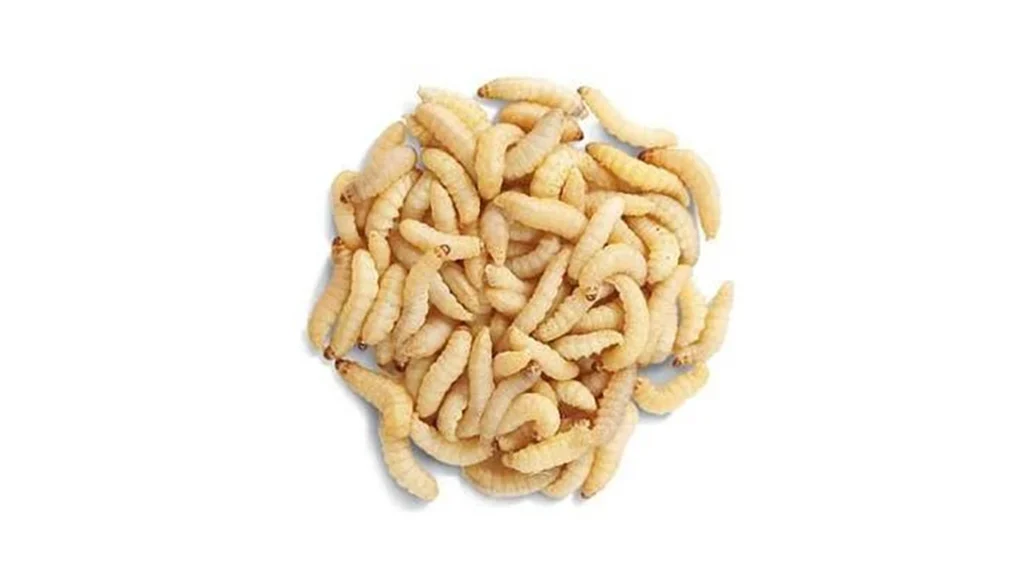
The combination of realistic movement and scent is the biggest advantage of live bait. Instead of imitating food, you are presenting the real thing. In cold water, when fish tend to be sluggish and less aggressive, those subtle movements and natural smells can make a noticeable difference in triggering bites.

There are drawbacks to live bait as well. You are limited to natural colors, which may not always stand out in darker or stained water. You are also limited in size, since you cannot modify a wax worm the way you can trim a plastic bait. Cost can add up quickly, especially if you go through multiple containers in a single outing. Live bait also requires proper storage and can perish over the course of the day. In many ways, it is disposable compared to the durability of artificial options.
Artificial Vs Live Bait: Which One Wins?
Ultimately, this debate comes down to personal preference and fishing conditions. If you prefer convenience and longevity, artificial bait may be the better choice. If you value realism in scent and movement, live bait is difficult to beat. Both can be effective when used correctly, and many experienced ice anglers switch between the two depending on how the fish are responding.
Advertisement — Continue Reading Below
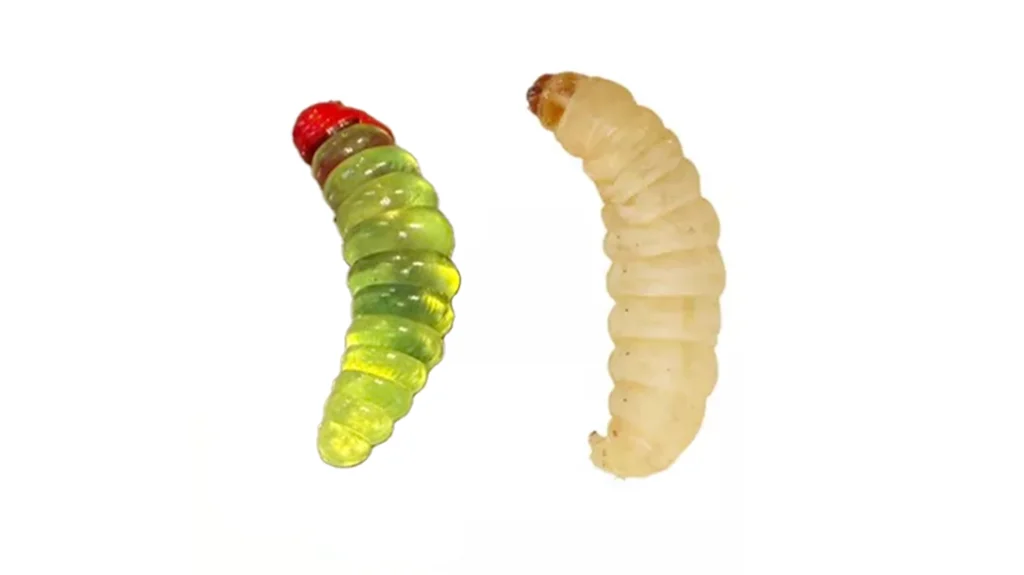
Personally, I like having both options available and adjusting throughout the day. That said, when the bite gets tough, it is hard to argue against a lively waxie or minnow. In the end, confidence in your presentation matters just as much as the bait itself.
WHY OUR ARTICLES/REVIEWS DO NOT HAVE AFFILIATE LINKS
Affiliate links create a financial incentive for writers to promote certain products, which can lead to biased recommendations. This blurs the line between genuine advice and marketing, reducing trust in the content.

