

Have you ever experienced a quiet, peaceful trail you once considered a hidden escape suddenly become overcrowded with visitors who have come to chase the viral photo they saw circulating on social media? This is an example of how social media has transformed our relationship with nature and why “Leave No Trace’ is beginning to evolve beyond just the physical world.
As these places become more popular, we begin to see an increase in trash and ecosystem damage at once pristine locations. Have we begun to see nature as content instead of a responsibility? Social media, of course, isn’t the enemy. It provides opportunities to celebrate our love for wild places and inspire others to do the same. But we also can’t ignore that exposure sometimes contributes to the damage in these areas. What may feel like a simple post or geotag can have lasting consequences for an ecosystem. The digital world has transformed the way we view and interact with nature, and “Leave No Trace” must now include a digital responsibility.
What “Leave No Trace” Originally Meant
Most outdoor enthusiasts have heard “Leave No Trace” many times. Traditionally this meant staying on trails, packing out waste, respecting the wildlife, leaving what you find, and planning ahead and preparing intentionally when it comes to what we pack in. The main focus was protecting the environment from physical impacts like littering and stepping off trail. While these practices will always be essential in protecting our favorite places, the age of social media has introduced new forms of impact.
Crowds are beginning to flock to locations that may not be able to handle increased traffic. While some destinations, like national parks, have long managed large numbers of visitors, many fragile environments were never designed for this level of exposure. You may have seen cars parked for miles on roads that aren’t meant to be parked on, simply because is it the only access to these crowded areas. To accommodate these situations, you see infrastructure change and expand. Larger parking lots, new facilities, and additional trails, ultimately inviting more traffic. With that traffic comes a new set of disturbances that are difficult to manage when it becomes constant.
Advertisement — Continue Reading Below
How Social Media is Changing Outdoor Spaces
Geotagging and increased exposure can introduce and contribute to the spread of invasive species to an environment. Visitors can unintentionally bring in plant seeds or insects that are non-native to the land. These species disrupt the ecological balance, overpowering the native plants and insects that ecosystems depend on to thrive.
As visitation increases, it may attract people who are unfamiliar with responsible outdoor practices. Without understanding the importance of cleaning your gear or shoes before traveling between environments, it becomes much easier for these invasive species to be introduced and spread. Short-term visitors may not carry a stewardship mindset toward the land, instead visiting primarily to capture that viral shot they have seen time and time again on their feeds. A single post can influence the future of an ecosystem.
The Ethics of Sharing Nature Online
How can we begin to see nature as an experience rather than content again? How can we share beautiful places without causing harm?
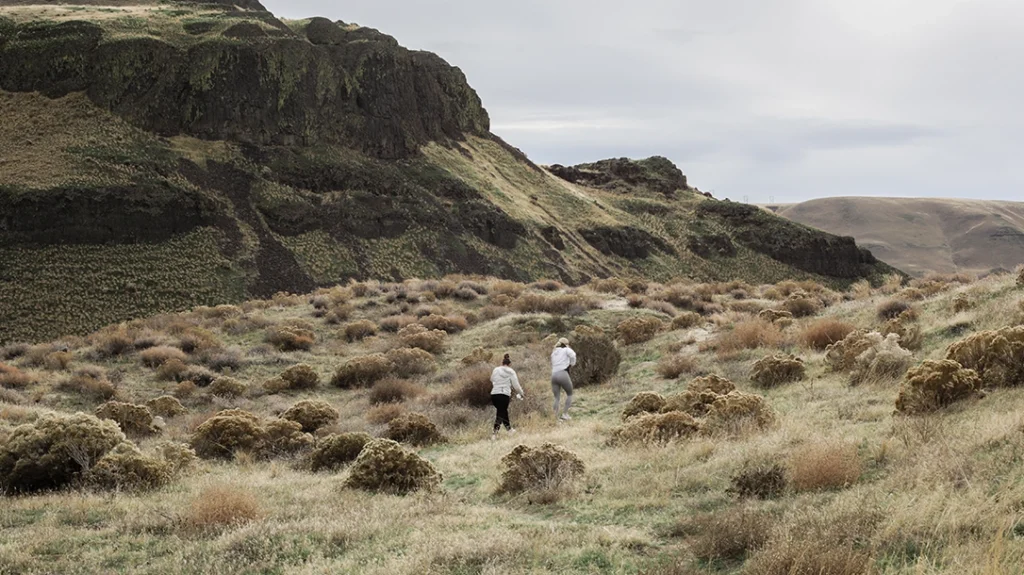
The desire to share meaningful experiences is human and not inherently negative. However, we must be mindful of the best ways to do so without damaging the beautiful places we visit, so that both we and future generations can enjoy them. There is also good reason to respect local communities who have visited these places for generations—making memories, building relationships with the land, and stewarding it because of all that it means to them. Many never imagined they would be squeezing into these spaces, sharing them with people who may not value them in the same way that they do.
Advertisement — Continue Reading Below
Even small accounts must be aware of their influence. A single post has the ability to reach thousands of people within seconds, and virality is often closer than we think. Before posting, we can we ask ourselves: what is my intention? Could this harm the serene place I just experienced?
Practicing “Leave No Trace” in the Digital World
Avoid precise geotagging. If you choose to tag a location, you can share a general region instead of your exact spot. This is not “gatekeeping”, this is protection. If you know that you are in a smaller, fragile or lesser known area, consider not tagging your location at all. The content can still be enjoyed by all even when the location is omitted. When posting, encourage others to practice protecting the ecosystem if they choose to visit. Social media can be a powerful tool for educating people about responsible outdoor practices that they may not have considered before traveling. When we truly connect with these natural spaces it inspires us to protect them and encourage others to do the same.
Another important aspect of respecting the land is being educated on what land is public, what land is Indigenous, and what land is protected. Many of the places that we love to explore today exist within areas that have been cared for by indigenous communities for generations. These landscapes can hold deep cultural roots, and can can hold great historical significance. When enjoying nature we always want to be contributing to the growth of this land and not be the erasure.
Protecting natural spaces in the modern world goes beyond simply following trail rules and packing out our garbage. It requires a pause. A deeper awareness of our role in the environments we visit and share. We can ask ourselves why we are seeking the place out in the first place. Are we visiting to connect with the land and appreciate the natural world, or are we simply collecting moments for content creation? Our intentions matter because they shape our behavior and influence. And when it comes to social media, we should assume that everyone is watching and learning from our experiences at these locations. This shift encourages responsibility not only for our physical presence but also for our digital footprint and the true influence and power that social media, and our voice holds.
Advertisement — Continue Reading Below

