

It might seem odd to remember, but there was a time when the 2011 platform was a bit of an outsider. If you are reading this, you are likely what I affectionately dub a gun nerd. Someone who has known about 2011s since Staccato was STI. However, “gen pop,” the average gun owner, is unlikely to have ever heard of a 2011 up until about five years ago.
There simply were not a lot of them, and the few that existed were exceptionally expensive and typically popular in the high-end competition circuits. They were popular, especially as open guns.
Advertisement — Continue Reading Below
Every year or two, I make a joke about throwing a stick at SHOT Show and hitting XYZ. This year, if you threw a stick at SHOT Show, you would hit a 2011 clone and then be asked to leave for throwing sticks.
What has driven the massive surge in 2011s?
The 2011 Patent Expiration
A 2011 is not just a double-stack 1911. Double-stack 1911s are certainly a thing, but they are different than 2011s. A 2011 model uses a unique two-piece grip and frame design. It is typically a metal frame with a polymer grip. This design blends the best features of both weight and polymer flex to be a recoil-reducing gun.
Advertisement — Continue Reading Below
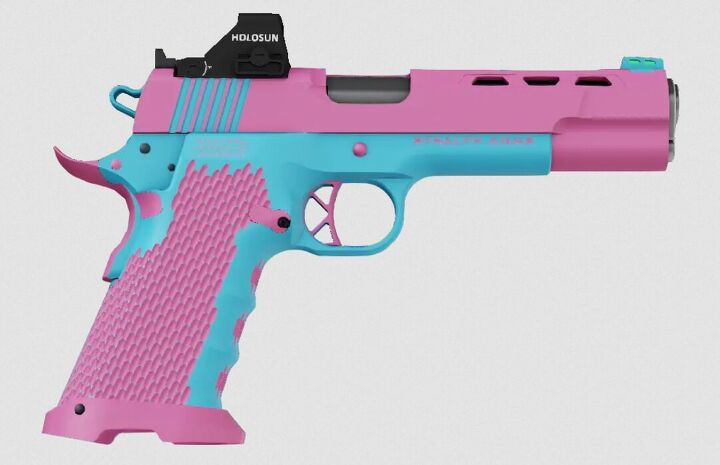
Staccato held the patent on this frame and grip design, but the patent did expire. To be clear, Staccato still owns the 2011 trademark. The 2011 patent expired a while back, which initially opened a market for 2011s that was largely filled by other high-end companies making high-end guns.
However, this patent expiration opened the initial door for the 2011 market to thrive.
Advertisement — Continue Reading Below
The Staccato Effect
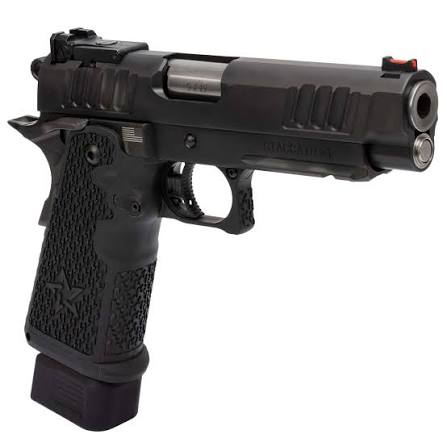
In 2020, STI rebranded as Staccato, and they made a big marketing push. STI was a very well-respected company, but very few people in gen pop knew much about the company or the guns it produced. The rebrand to Staccato and marketing push was to establish that 2011s were not the finicky competition guns that required a lot of maintenance to run.
They pushed the Staccato brand into the duty market, portraying their guns as reliable and tactical weapons. These were optics and light-ready weapons with all the modern flair of a duty pistol.
Advertisement — Continue Reading Below
They were able to secure some major contracts. One that stood out at the time was a contract with the U.S. Marshal’s Service Special Operations Group. They then got a foot in the door with LAPD Metro. From there, another 248 law enforcement agencies adopted or authorized the Staccato series of pistols.
This got a lot of people’s attention, and more people than ever were looking at a 2011. Who does not want the single-action trigger of a 1911 with the capacity of a Glock?
A Saturated Market
The handgun market was and is saturated by a specific type of pistol: the striker-fired, polymer-frame, double-stack handgun. Glock started it, and everyone followed. This includes SIG, FN, Taurus, Springfield, and just about everyone producing a handgun. It was the meta for handguns, and like all metas, it got real boring, real fast.
Advertisement — Continue Reading Below
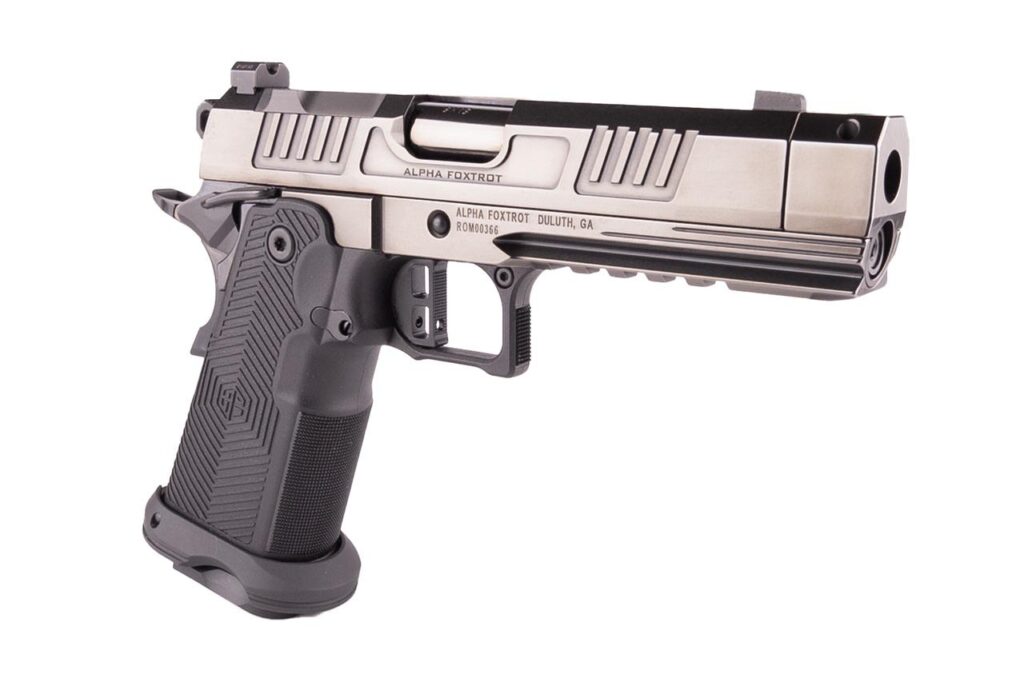
People were bored with the striker-fired, polymer-frame pistol. They wanted something different, and companies looking to expand their market decided to oblige them. Springfield Armory and SIG now produce their version of a 2011. Numerous small companies jumped on the bandwagon, producing their own variant of the 2011 platform.
Why They Shoot So Well
Let’s face it, 2011s, even cheap ones, shoot well. They tend to have low recoil, are flat-shooting, and always have incredibly good triggers. The well-made variants, like the Staccatos, run well too. They are reliable enough to be duty and concealed carry guns, and some offer a fairly affordable platform that can be tuned into one helluva gun.
Advertisement — Continue Reading Below
The straight trigger pull of a single-action-only gun helps detract from user-induced marksmanship errors. It is easy to pull fast, and the guns tend to shoot fast and well. We have entered an era where more and more shooters are using shot timers and chasing faster par and split times, and 2011s are giving them those fractions of a second.
The Magazine Evolution
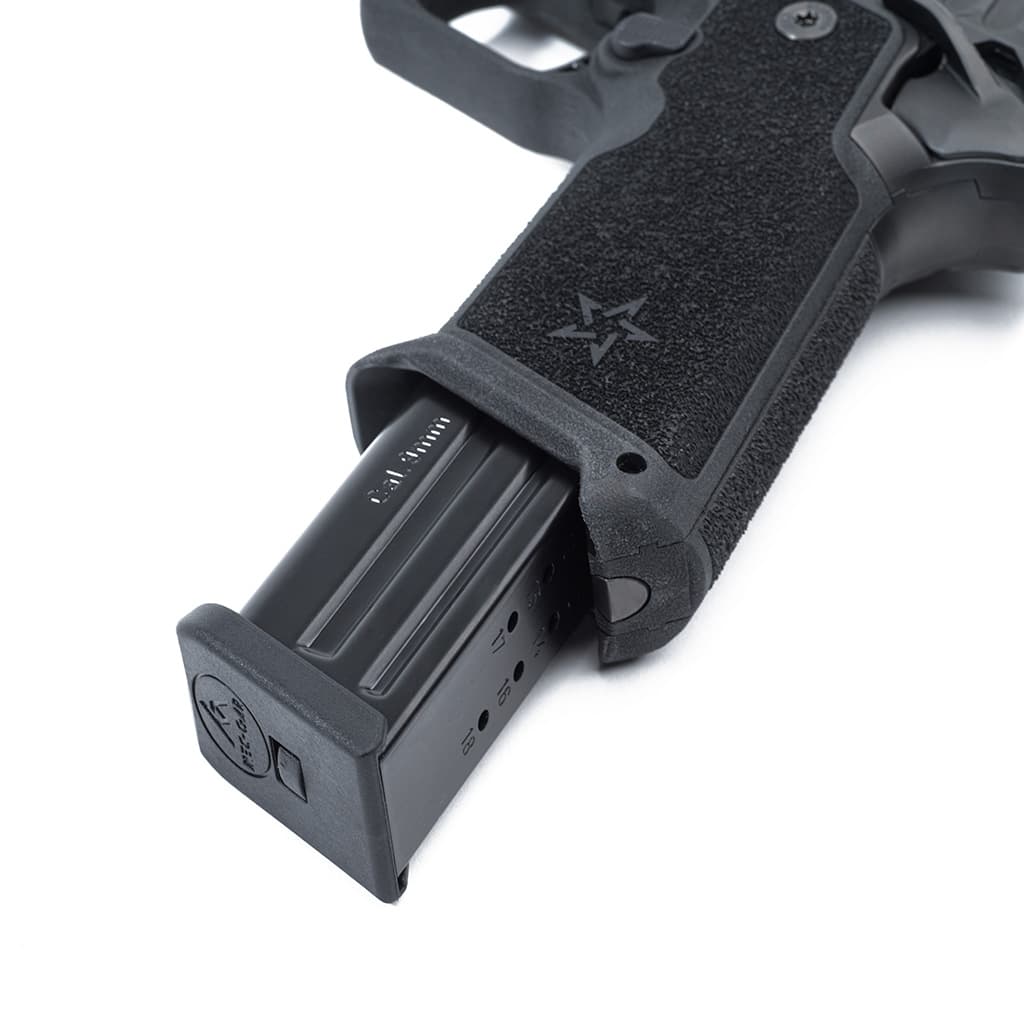
The move away from traditional 2011 magazines has been a fairly smart move. There was a time when you purchased a $50 to $70 magazine and did not expect it to work with your 2011 until a gunsmith or a skilled user altered it to work. That is a thing of the past for most 2011 platforms. Using Glock, SIG, and similar magazines has made the guns much more accessible.
Advertisement — Continue Reading Below
The 2011-ification of the Industry
The 2011 has seemed to get a firm foot in the current firearms market. They are more and more accessible, more affordable, and still offering a ton of small advantages that shooters love. They are not going anywhere anytime soon, and I think it is changing the industry as a whole.
We are seeing guns like the Waltz 9, which takes some of the traits of the 2011 and shoves them into a striker-fired gun. We have guns like the SDS Imports 2035, which is the 2011-ification of the Hi Power. We are not just seeing a rise of 2011s, but a total 2011-ification of the industry.
Advertisement — Continue Reading Below

