
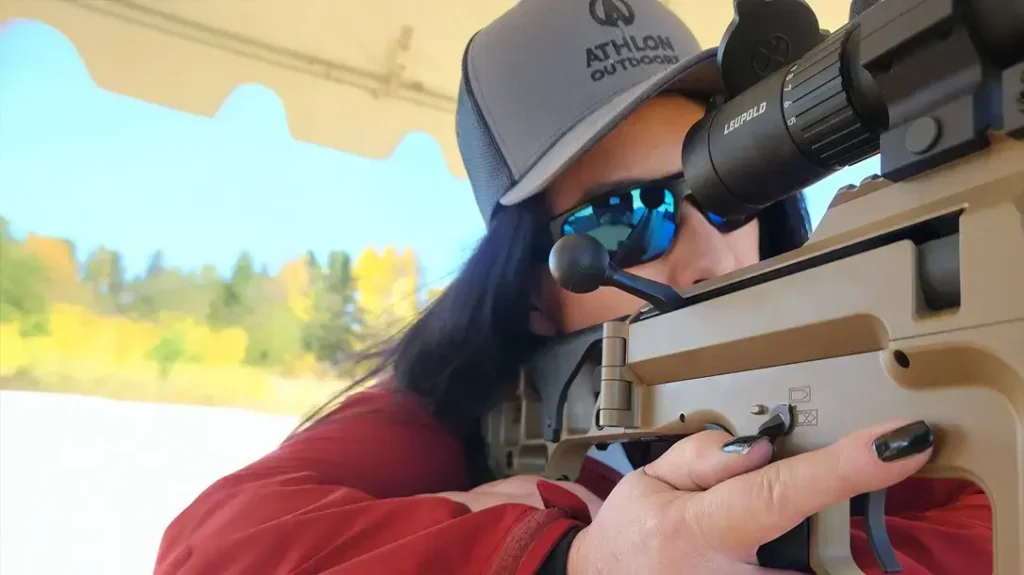
If you have spent any time at all shooting precision and or long range, you know how difficult it can be to do alone. With the recoil of the rifle, it can be difficult to see quickly where our rounds are impacting. Additionally, it can be difficult to even read the wind. Because of this, there are a few things that are as helpful as a good spotter. Today, we’re going to look at the role of a spotter and how they can help you get rounds on target more quickly. So, spotter up – it’s time to make our shots.
Spotter Up – How to Spot for Long Range Shooting
The role of the spotter is more than just somebody who watches where the bullet impacts. They are a second set of eyes that help read the environment and relay information about your shots. Just like actually shooting the gun, however, the spotter needs specific skills. They need to be more than just a buddy who says things like, “shoot a little left.” They need to provide specific information to help you hit the bullseye.
Advertisement — Continue Reading Below
Before the shot is even fired, the spotter needs to provide the shooter with information on any wind. A good spotter can read tree branches and weeds to estimate wind speed. With this information, they can also figure out wind direction. In the absence of any vegetation, in many cases, they can read mirage. Once they have this information, they can inform the shooter and suggest various holds in order to counter the wind. Lastly, on this topic, the spotter will also inform the shooter when it’s a good time to break the shot. If they see wind gusts, they can tell the shooter to hold. Once there’s a lull in the wind, they can give the fire command.
Range Estimation
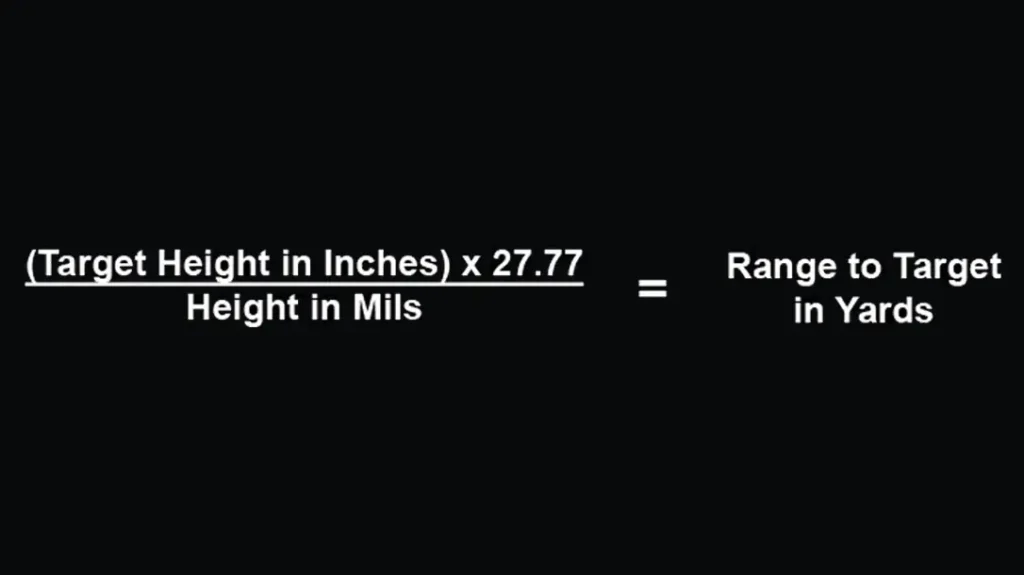
The second skill of a good spotter is range estimation. Modern technology allows us to use small handheld laser rangefinders. These are invaluable and help us to quickly get our range to the target. Serious people, however, will have the ability to use the old-school method of ranging the target using their reticle. While not as precise as a laser range finder, it is still effective and has been used by snipers for decades.
Advertisement — Continue Reading Below
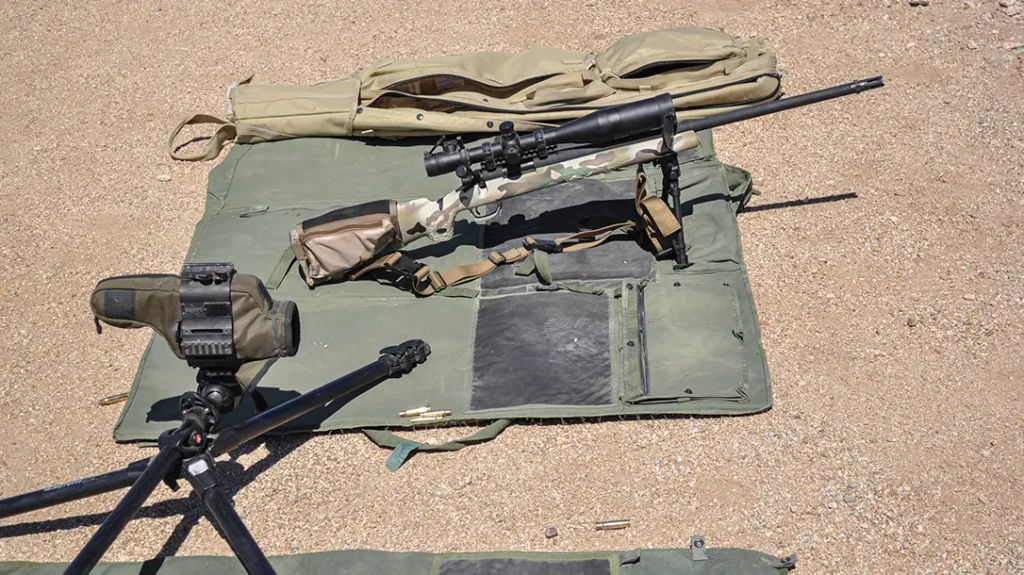
The third skill of a good spotter is the ability to actually watch the shot. In good conditions over longer ranges, the person will be able to watch the trace of the bullet. The trace is a shockwave that the round creates in the air. With any good spotting scope and trained eyes, you can actually watch the flight of the bullet. This is very helpful, especially when zeroing in when the gun may not even be on paper yet. The spotter can watch the round and get a very good idea of where the impact was, even if there’s no response on the ground. From there, they can help the shooter adjust their optic to get on target.
Advertisement — Continue Reading Below
Impact Information
The fourth skill is obviously telling the shooter where the bullet impacted. Once again, this is where a good spotting scope comes in. In a perfect world, the reticle on the spotting scope will be the same configuration as the shooter’s scope. For example, in the spotting scope, if a spotter sees the round impacted 1 mil left, it’s easy to have the shooter adjust their optic. It is important that a spotter provides specific information. We’ve all had friends who spotted for us and gave us information, such as “you were a little high”. However, we have no idea how high. The more specific the spotter can be, the quicker the shooter can get on target.
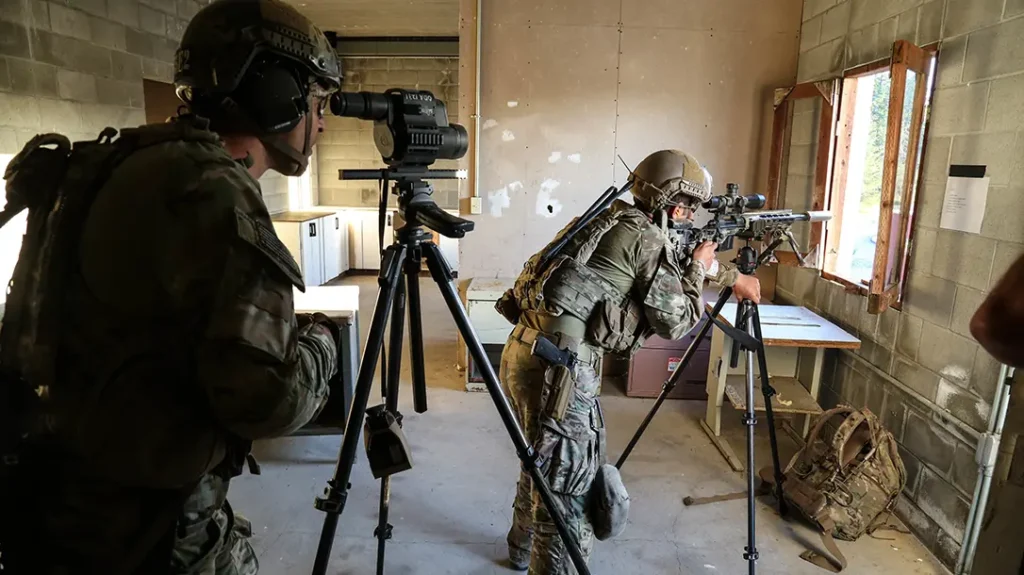
Spotter Up
Good spotting skills are just as important as good shooting skills. The more you understand, the better you will be. There are many who believe, including myself, that having good spotting skills makes you a better shooter. If you are serious about the long-range game, I highly encourage you to develop your spotting skills.
Advertisement — Continue Reading Below
WHY OUR ARTICLES/REVIEWS DO NOT HAVE AFFILIATE LINKS
Affiliate links create a financial incentive for writers to promote certain products, which can lead to biased recommendations. This blurs the line between genuine advice and marketing, reducing trust in the content.

