

Nature is wonderful to explore, and hiking is the best means to take it all in. However, even though the majestic view may offer peace on your trek, there are many hidden dangers that you may encounter along the way. These include two- and four-legged predators, relentless biting bugs, deadly terrain, and even getting lost while so close to home. The dangers can be intense, but with some personal protection tips, you can finish your solo hike safely and with a satisfying smile on your face.
Personal Protection in the Wild Places
Unpredictable Weather Precautions
Mother Nature doesn’t follow the rules. One minute, the sun is shining, the next, a downpour is soaking you and your gear. Even in moderate temperatures, staying in wet clothing can lead to hypothermia, or at the least, an uncomfortable hike.
A simple fix is to carry a pocket-sized poncho. If you travel light, a disposable one will do. When the sun does return, be sure to have a cap or visor to shield your eyes and sunblock to protect unprotected skin. You don’t want to return home with an unexpected sunburn.
Advertisement — Continue Reading Below
Bug Bane
Never underestimate the tiny critters that could feast upon your delicate skin. Mosquitos, biting flies, ticks, and large fire ants can turn your hike into a relentless scratching frenzy. Too much scratching can break your skin and possibly cause infection.
Advertisement — Continue Reading Below
Prevent the bits by spraying insect repellent on your bare skin and clothing-safe spray to further deter the pests. Additionally, netting for your head, torso, and hands is available as a physical barrier. Finally, taped pants and shirt cuffs will prevent crawlers (like disease-carrying ticks) from reaching hard-to-see locations on your body.

Advertisement — Continue Reading Below
Patching Yourself Up
Although your hiking path may be beginner-friendly, accidents can happen. You could twist your ankle, cut yourself on sharp branches, get stung by a bee, or incur a nasty splinter. All these issues can be remedied with a compact first-aid kit.
These pocket-sized packs hold all basic first-aid essentials needed for a day hike. Headache medication, burn gel, bandages, gauze, blister cream, and more allow you to patch yourself and keep on trekking.

Advertisement — Continue Reading Below
Nature’s Heavy Hitters
You may think you’re alone in the wild, but let me assure you, you are not. Predators could be eyeing you or just waiting for you to step in the wrong spot to strike. Bears, mountain lions, and venomous snakes, along with smaller mouthful-of-teeth animals, are out there.
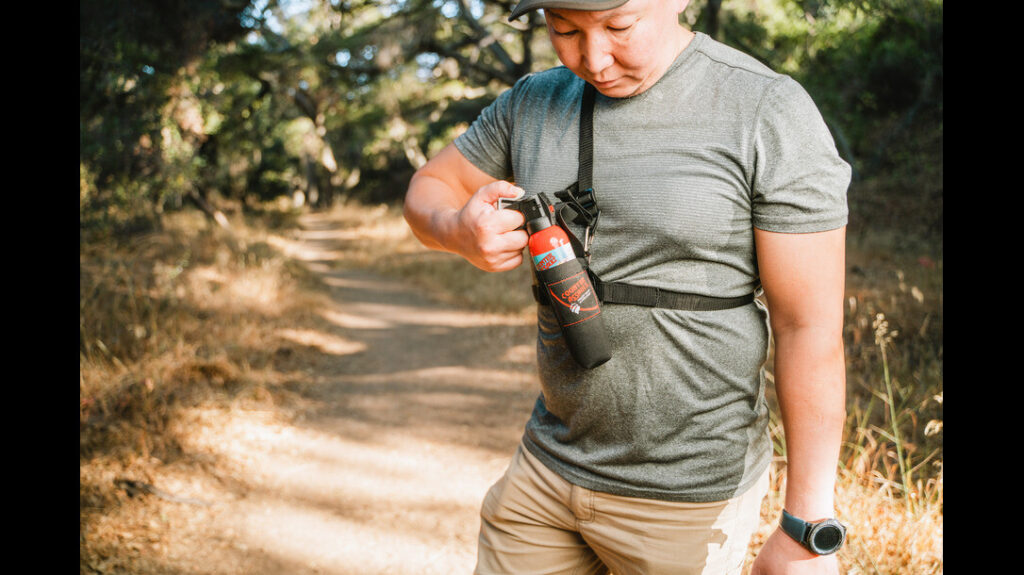
Personal protection can be achieved by carrying bear mace, a protective walking stick, and noisemakers to shoo off curious animals. You’re not the alpha in the vast outdoors, so don’t forget to carry these essential defense items. Better to err on the side of caution than face an aggressive animal and lose the fight.
Advertisement — Continue Reading Below
Lost and Found
Although you may have trekked your preferred trail many times or assume signs will guide your way, you can still get lost. After walking in circles, panic will undoubtedly set in. Once you become frantic, you could continue to make bad decisions and make your situation go from bad to worse. Additionally, many people with their cellphone in-hand may feel secure if lost. Well, they are entirely wrong. No cell signal or a dead battery won’t help in any way.
Advertisement — Continue Reading Below
Instead, invest in some more advanced electronics in the form of a satellite phone or GPS signaling device. These devices don’t rely upon towers and can notify emergency services at the push of a button. Some also allow text messaging and can even lead you home with directional assistance.

Advertisement — Continue Reading Below
Two-Legged Predators
Not every trail is in the middle of nowhere. A nature trail just outside of town can offer danger from two-legged predators. Stalkers can watch your every move, track your path, then strike when no one is around. If you wear earphones while you hike, then you’re even more susceptible to a surprise attack.
First, ditch any distractions while you hike. No earphones, cellphone texting, or playing games while you walk. Next, carry signalers and self-defense weapons that are easy to carry, such as whistles, electronic alarms, and pepper spray. Stay alert and be prepared to fight or flee if an attacker crosses your path.

Advertisement — Continue Reading Below
The Key is Preparation
Nothing discussed here is difficult to acquire or learn about prior to your next hike. The common denominator is, of course, being prepared for known and unknown dangers. Get the proper gear, learn how to use it, and don’t take anything for granted during your trek. A little preparation goes a long way, and when your life may be on the line, it shouldn’t be ignored.


