

If you ask the average turkey hunter where the best hunting is, they’ll rattle off places like the Southeast or maybe the Midwest. New England rarely ever crosses hunters’ minds or even makes the list. As a turkey hunter who’s spent his whole life chasing rope around the Northeast, I’ll say it flat out: New England is one of the most underrated turkey hunting regions in the country. It’s not just that there are birds—it’s how huntable they are, how diverse the terrain is, and how overlooked the pressure can be on these birds.
The wild part? These birds weren’t even here 50 years ago. Wild turkeys were completely wiped out across New England by the 1800s, only to be reintroduced in the 1960s–70s. Today, populations have exploded across the region, with tens of thousands of birds in each state. There is not a time when I head to New England where I don’t hear a gobble in the springtime, let alone see turkeys all over the place.
The combination of healthy populations, less hype, and diverse terrain is what makes New England special. Here’s a little breakdown of each state and what makes these states stand out from the rest of the country for chasing the eastern wild turkey.
Maine: Big Woods, Big Opportunity
Maine is what most people picture when they think of the Northeast Big vast timber, remote country, and a serious hunting culture for a variety of critters. What makes Maine unique is sheer space. With over 17 million acres of land open to hunting, you can get away from pressure in a hurry. When I first turkey hunted here back five years ago, I quickly realized that this would be a special place to hunt and have gone back every single spring season.
Advertisement — Continue Reading Below
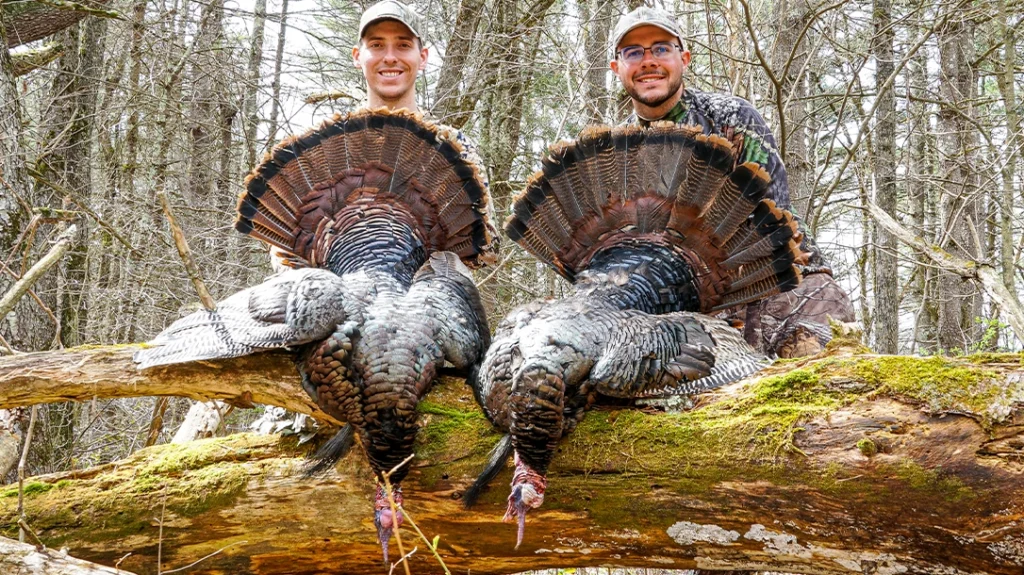
Turkey populations here have rebounded in a big way, with roughly 70,000 birds statewide. The best hunting tends to be in southern and central Maine, where farmland meets hardwood ridges. It’s classic turkey habitat, with everything you could ask for in perfect turkey woods. Oaks, beech, conifers, openings, and edge cover is what you’ll see. What you get is a mix of big-woods hunting with agricultural influence. And when the two worlds combine, it makes for some incredible hunting opportunity.
Maine longbeards are truly something different. While you will have your normal size birds, many of the Maine birds are on the smaller side, generally ranging from 12-18 pounds. Yes, you heard that right..,12 pound long beard. I am not sure what makes them small, whether it’s the cold, not having as much food as a midwest bird, but all maine turkeys run small. The smallest longbeard I’ve ever harvested came from Maine. It was 13 pounds, had a nine inch beard and had one and a quarter inch spurs. Fully mature Tom, just funsized!
New Hampshire: Quietly Loaded with Birds
New Hampshire might be the most overlooked state in New England for turkey hunting. It doesn’t get much press, but it should. The state holds around 40,000–45,000 birds, and they’re spread across a mix of mountains, river valleys, and farmland. I was first introduced to turkey hunting in NH by my good friend and Just Hunt Club Youtube Channel partner, Brett Joy. Being a NH native, Joy has spent his whole life walking the woods looking for warry, big woods rope.
“The beauty of New Hampshire is balance in the terrain. You’ve got enough terrain diversity to keep things interesting, but not so much wilderness that birds become impossible to locate” says Joy.
Advertisement — Continue Reading Below
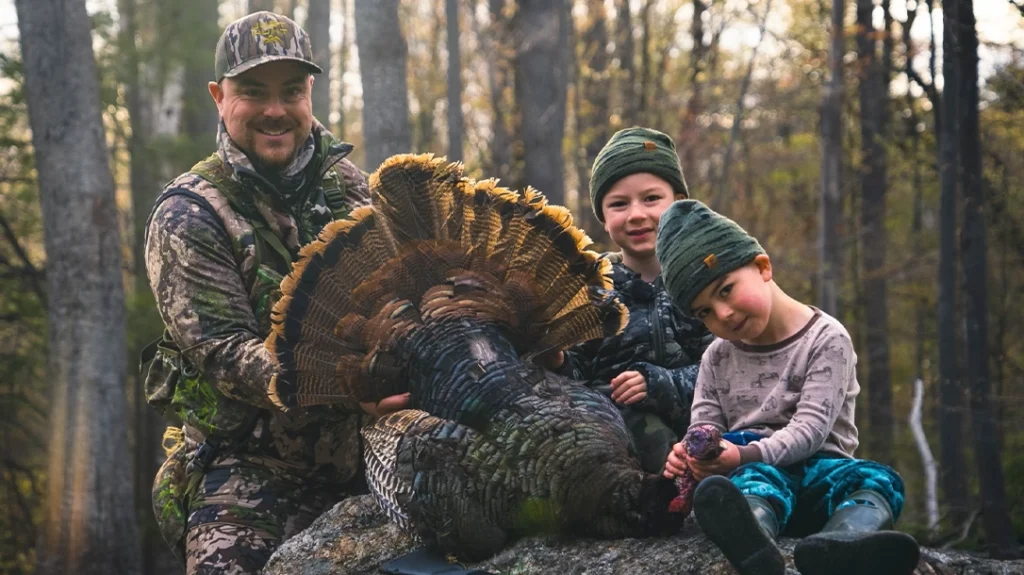
Birds here behave differently depending on where you are. In southern New Hampshire, you’ll find more agricultural patterns, like field edges and predictable strutting zones. Move north, and it becomes more of a run-and-gun mountain game. From ag lands to big woods, NH offers it all. And the best part, the pressure is moderate at best. Compared to states like Pennsylvania and New York, it’s a breath of fresh air.
Vermont: Tricky But Rewarding
If there’s one state in New England that serious turkey hunters should pay attention to, it’s Vermont. Even the state itself claims some of the best turkey hunting in the region—and it’s hard to argue. Populations hover around 45,000–50,000 birds, and the habitat is absolutely perfect: rolling hills, dairy farms, hardwood ridges, and small woodlots.
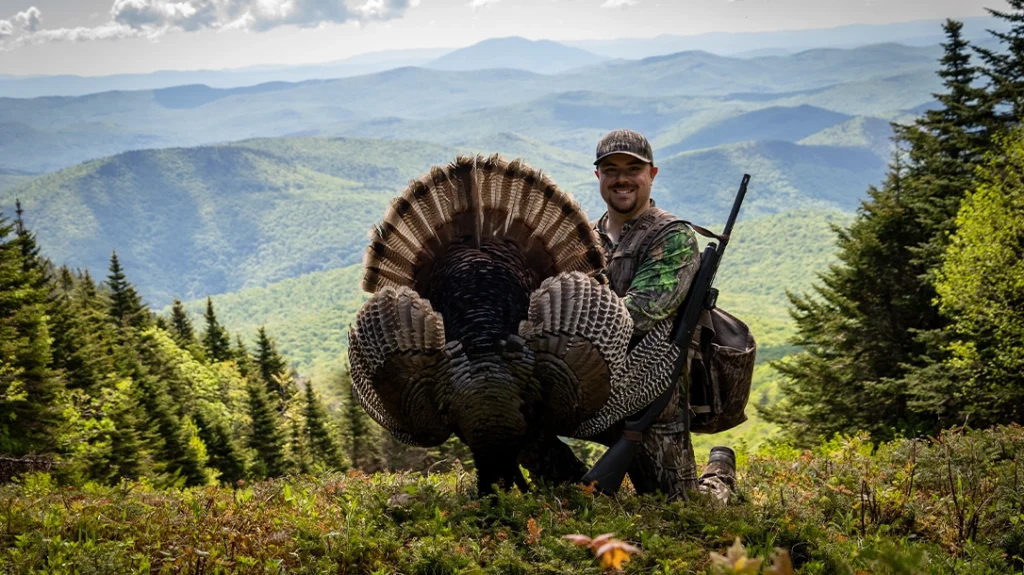
This is classic Eastern turkey country. Lots of agriculture mixed with good hardwoods, food and cover. What sets Vermont apart is how visible birds can be outside the season—and how quickly they humble you once the season opens. Big winter flocks break up into pressured, call-shy gobblers that demand good setups and patience. There is a lot of local hunting pressure in this state, so if you’re coming in from out of town, expect to run into other hunters.
Advertisement — Continue Reading Below
It’s the kind of place where you can hear multiple birds gobbling throughout the morning, and still eat your tag if you don’t play your cards right.
Massachusetts: Urban Birds & Big Numbers
“Massachusetts is one of those states that’s on our radar to kick off our northeast turkey season. It’s the first state to open in our neck of the woods and it’s one that we look forward to hunting every year. And for good reason, it’s loaded with birds.” says Jon Lewis, creator of the Just Hunt Club Youtube Channel.
Massachusetts is one of the biggest success stories in turkey restoration. From just a handful of transplanted birds in the 1970s, the population has grown to over 30,000 statewide. What makes Massachusetts unique is how adaptable the birds are. They thrive everywhere, in the big woods, farmland, and even suburban areas. That creates a different kind of hunting experience.
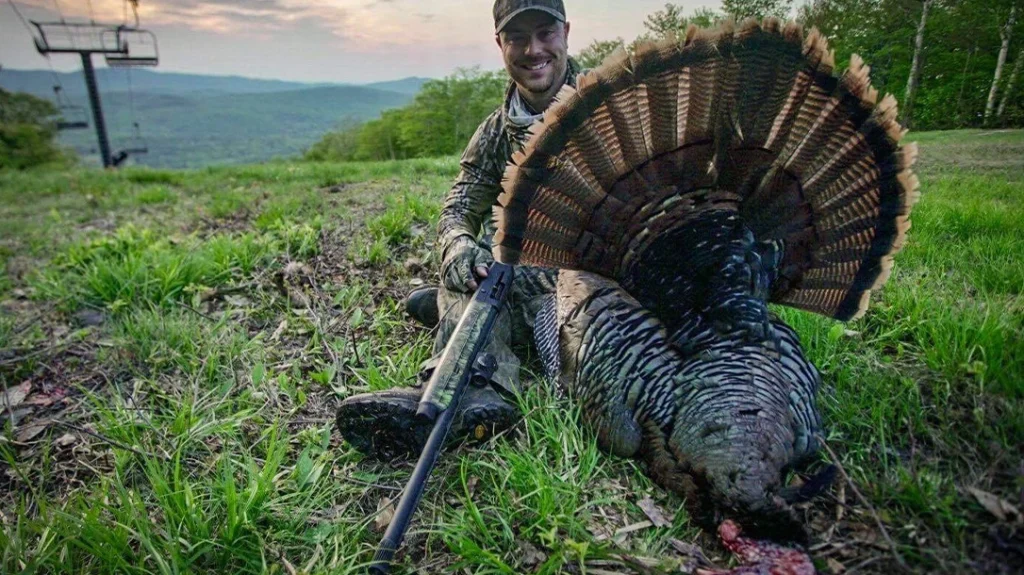
You might be working a gobbler on the edge of a housing development one morning and hunting deep timber the next. These birds see people constantly, which makes them both predictable and incredibly wary. The best part is if you mess up on a play with a bird, theres always another one close by to start working,
Advertisement — Continue Reading Below
The biggest advantage? Opportunity. These birds are widespread throughout the entire state, with no better area than the other. If you’re willing to knock on doors or scout overlooked public parcels, you can find consistent action throughout the season.
Connecticut: Small State With HUGE Potential
Connecticut doesn’t get much respect in the turkey world, or in the world in general, but it should. Within this small box shaped state filled with multi-million dollar homes and huge famous estates lies some of the best turkey hunting I’ve ever experienced. I was fortunate enough to live in the north west corner of the state for three years and experience every possible kind of turkey hunting. From archery hunting right behind suburban complexes, to walking massive parcels of public land. Connecticut has it all.
Despite its size, it has a strong turkey population and a surprising amount of huntable public land. The mix of hardwood forests, small farms, and fragmented habitat actually works in your favor. Even in the populated suburban areas you can find huntable birds.
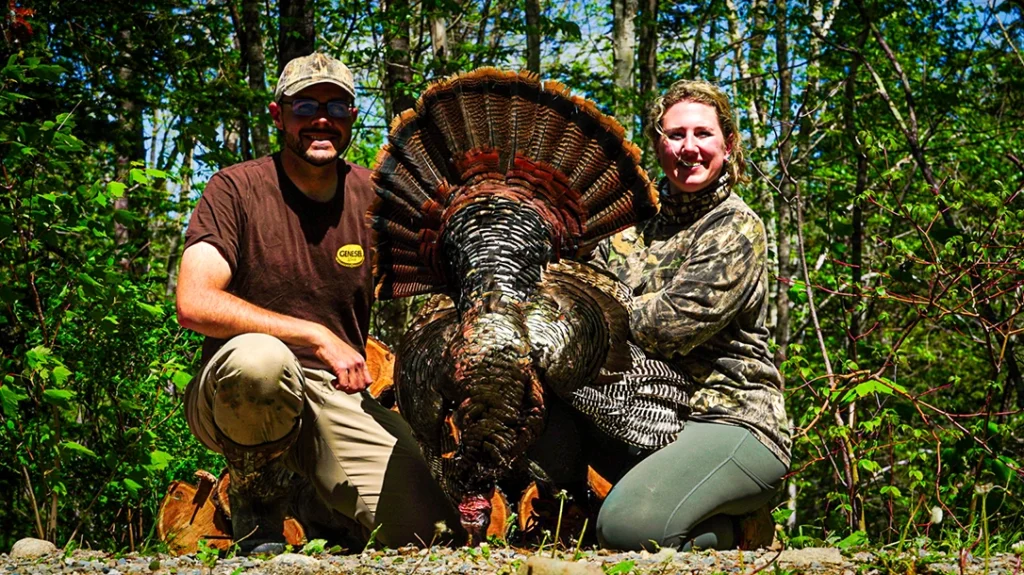
Turkeys in Connecticut tend to live in smaller pockets, which means once you find them, you can stay on them. It’s not a roam-the-mountains type of hunt—it’s more strategic and location-based. Don’t get me wrong, there are plenty of parcels of state properties to make it feel like big woods hunting, but you’ll find more success in the smaller pockets.
Advertisement — Continue Reading Below
The biggest help to most turkey hunters in Connecticut is that it’s one of the two New England states that you can turkey hunt all day in the spring. I’ve shot plenty of spring rope well after getting out of work and caught him coming back to roost. One thing you have to take into consideration is if you’re hunting private land, you must obtain written landowners permission. You must also carry this written permission with you at all times when hunting.
Rhode Island: The Sleeper State
Rhode Island might be tiny, but don’t let that fool you, it holds a very huntable turkey population and expanding opportunities every year. Like the rest of New England, turkeys were reintroduced here in the late 20th century and have steadily increased since.
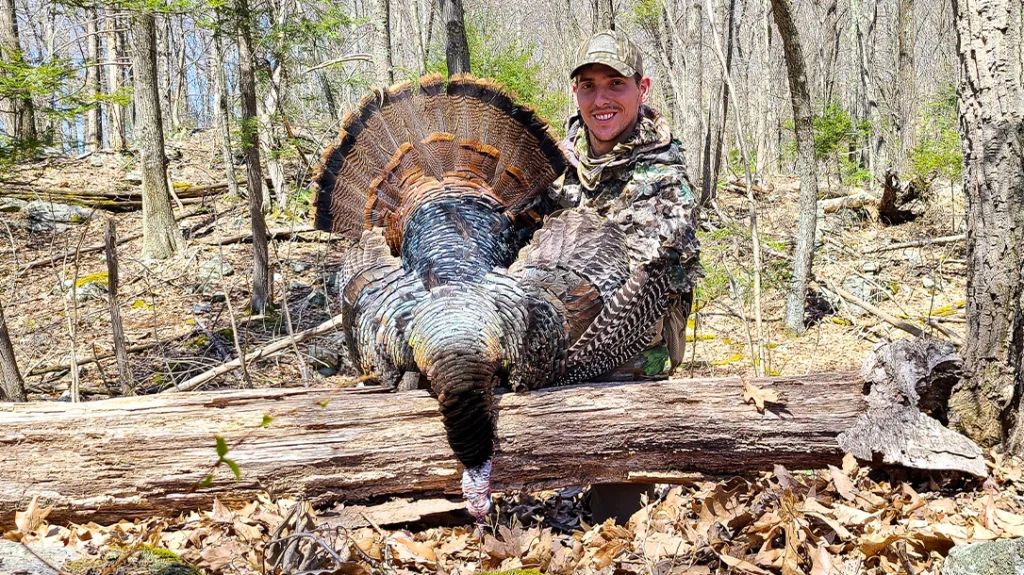
The hunting here is all about access and efficiency. You’re not covering miles, you’re picking apart smaller parcels, state lands, and overlooked corners. Remember, this state is small, making it easy to find birds, but hard to get one to commit. Most hunters write it off because of its size, but that often means less competition in the woods.
If you like tight setups, close encounters, and making the most of small properties, Rhode Island delivers. It’s action packed suburban style hunting that makes you work for your birds. When you succeed, you’ve earned it.
Advertisement — Continue Reading Below
Final Thoughts
“Northeast turkey hunting is something special. We’re fortunate enough to have strong populations of birds and a wide range of access, whether it’s knocking on doors for permission to cover big stretches of public ground. With several states packed close together and affordable licenses, it’s easy to extend your season by just simply crossing a border” says Lewis.
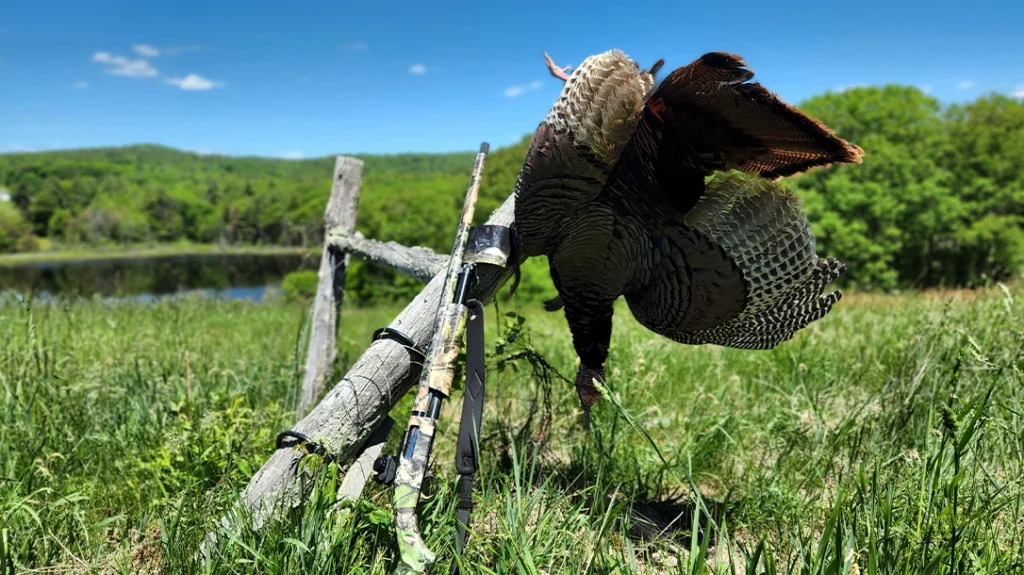
Turkey hunting in New England isn’t just good, it’s extremely diverse and dynamic. You can find just about any type of terrain you want to hunt chasing the Eastern wild turkey. From ag fields, to big timber, to rolling hills and suburbs. New England has it all within a simple drive from one another. And that’s rare to find in the turkey world
That’s why this part of the country stays so underrated. It doesn’t fit into one neat category that turkey hunting culture is defined by. It’s not just “a true southern turkey hunting experience”, it’s its own separate thing from the rest of the country.
And if you’re willing to explore it, you’ll realize pretty quickly that it deserves a lot more respect than it gets. When you harvest an eastern wild turkey in the mountains of Vermont, along the coast of Rhode Island, or the beautiful countryside of Massachusetts, it’ll make you want to come back year after year.
Advertisement — Continue Reading Below
WHY OUR ARTICLES/REVIEWS DO NOT HAVE AFFILIATE LINKS
Affiliate links create a financial incentive for writers to promote certain products, which can lead to biased recommendations. This blurs the line between genuine advice and marketing, reducing trust in the content.

