

I travel all over the country filming my television show, and one challenge never changes: fishing brand-new bodies of water with no practice days and no prior experience.
Whether I’m in Pennsylvania, Indiana, Texas, Florida, Colorado, or South Carolina, I often pull up to a lake I’ve never seen before and have to find fish immediately. Add in the pressure of filming a television show and teaching a new angler at the same time, and it can make for a challenging day on the water.
Sometimes the fish cooperate and everything comes together. Other times, it’s a grind. Over the years, however, I’ve developed a system that helps me quickly break down unfamiliar water. These tips can help you do the same the next time you visit a new lake.
Advertisement — Continue Reading Below
Start With an Overhead Map
Before you ever launch the boat, pull out your phone and look at an overhead map of the lake. Google Maps, Apple Maps, and similar apps can provide a surprising amount of useful information.
An aerial view reveals the overall shape of the lake, bays, canals, coves, points, peninsulas, islands, potential drop-offs, depth changes, and areas that may contain submerged humps or structure.
Advertisement — Continue Reading Below
When viewing satellite imagery, pay attention to water color. Light, sandy-colored areas often indicate shallow water, while darker areas typically signal deeper water. The transition between the two can reveal important drop-offs and contour changes that fish frequently use.
This is especially helpful around points, islands, and peninsulas, where depth changes often concentrate fish.
Once you’ve identified the major structural features of the lake, you can begin planning your day.
Advertisement — Continue Reading Below
Plan Your Route Before You Launch
One of the biggest mistakes anglers make is heading out without a plan.
I always recommend locating the farthest area you intend to fish from the boat launch and starting there first.
Why?
Advertisement — Continue Reading Below
Because you have the most energy at the beginning of the day. By covering the longest distance early, you can gradually work your way back toward the launch as you fish.
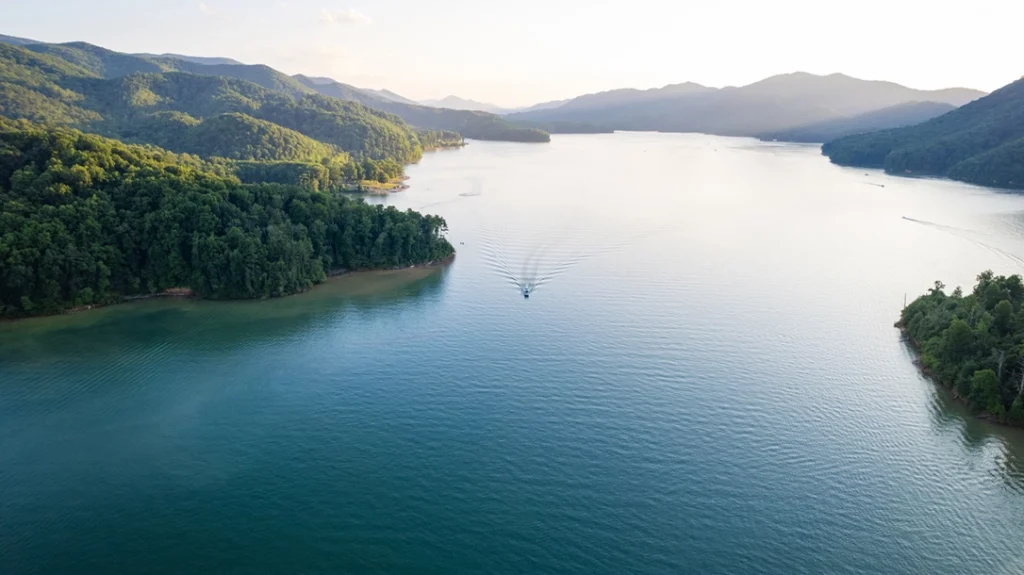
This approach offers several advantages. By working your way back toward the launch throughout the day, you’ll conserve energy, reduce fuel and battery consumption, and put yourself in a better position if weather or an emergency forces an early exit.
Advertisement — Continue Reading Below
For boat anglers, this strategy becomes even more important. Trolling motor batteries drain throughout the day, and fuel levels drop. Finishing closer to the ramp gives you a safety cushion.
I’ve also experienced plenty of days when weather conditions changed unexpectedly. When storms start building, being halfway back to the launch instead of miles away can make a huge difference in getting off the water safely.
Use Your Eyes to Find Visible Structure
The next tool at your disposal is one of the simplest: observation.
Advertisement — Continue Reading Below
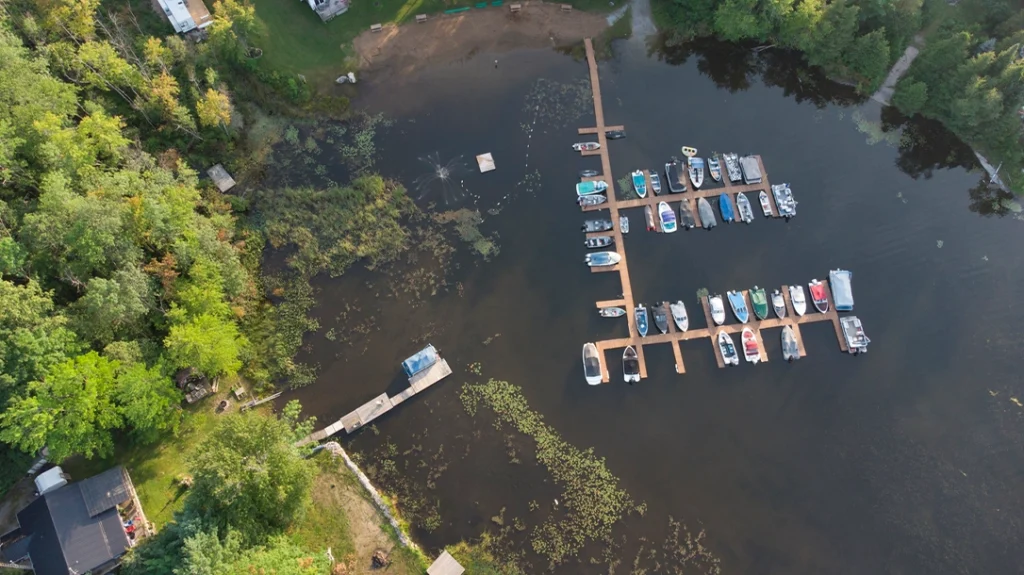
As you’re launching or moving around the lake, look for visible structure above the water. Visible structure often creates shade, and shade attracts fish.
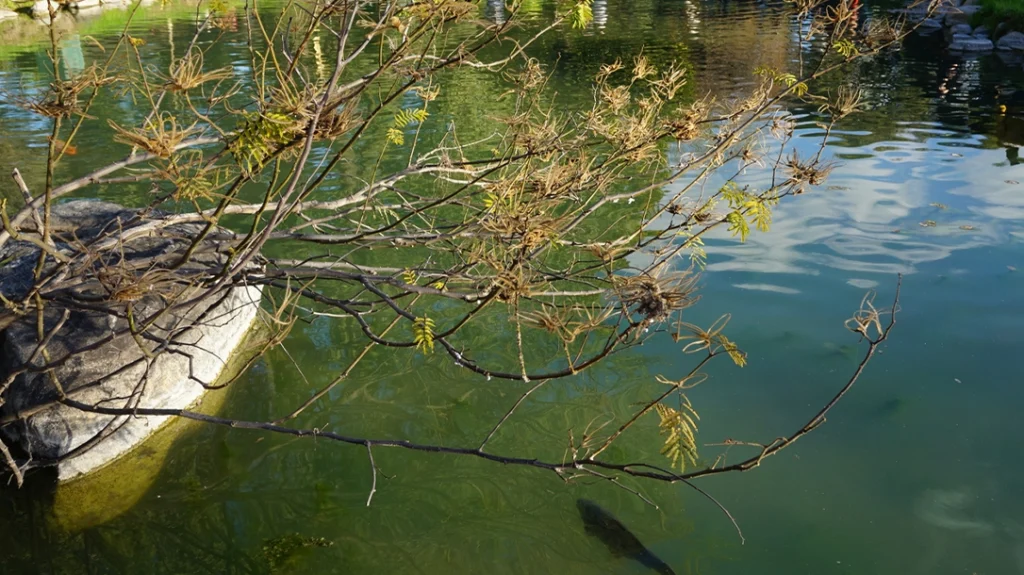
On bright, sunny days, many fish position themselves beneath shaded areas where water temperatures remain cooler and more stable throughout the day. Shade also provides security and ambush opportunities. That’s one reason anglers consistently catch fish around docks, boats, and overhanging trees. As you identify these targets, incorporate them into the route you’ve already planned from your map study.
Look for Structure Below the Surface
Once you’re on the water, the real detective work begins. Continue scanning for underwater structure that may not be visible from shore.
Pay attention to weed beds, rock piles, submerged timber, etc. These underwater features provide cover, feeding opportunities, and travel routes for fish. Many anglers focus only on what they can see above the surface, but some of the most productive fish-holding areas are hidden beneath it.
The Three-Step Formula for New Lakes
To simplify things, remember these three key steps whenever you’re fishing a new body of water:
First, identify the lake’s shape, depth, and your route. Use satellite imagery to understand the layout of the lake and plan an efficient path for the day. Next is to locate visible structure. Look for docks, trees, marinas, and other shaded areas that attract fish. Finally, target submerged structure such as weed beds, rock piles, drop-offs, and underwater features that concentrate fish.
These three principles work almost anywhere in the country, regardless of the species you’re targeting or the conditions you’re facing.
Understanding Fish Behavior
One reason this system works so well is because fish behavior remains remarkably consistent. Whether conditions are warm or cold, the basic relationship between predator fish and baitfish stays the same. Baitfish are constantly trying to avoid predators. Predator fish are constantly trying to hunt baitfish.
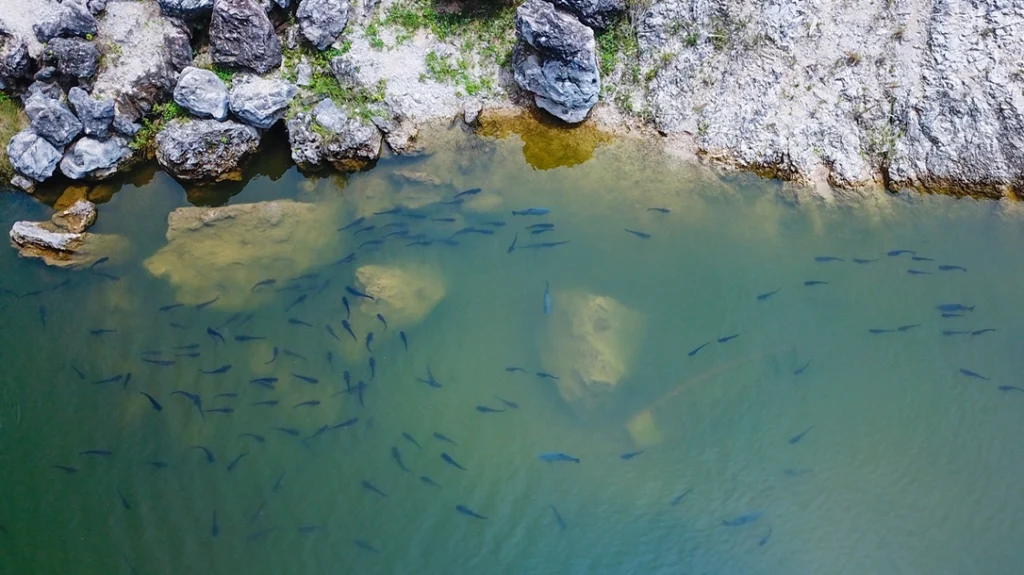
Structure, depth changes, points, and drop-offs create ideal places for baitfish to hide and equally effective ambush points for predators. By locating these areas, you’re putting yourself where fish naturally want to be.
As anglers, our goal is to imitate whatever forage the fish are feeding on. The better we understand where fish position themselves and why, the more successful we’ll be.
Success Starts Before the First Cast
These techniques can help you break down not only a new lake but even waters you fish regularly.
By studying maps, planning your route, and identifying both visible and submerged structure, you’ll dramatically improve your efficiency on the water. The result is simple: more time fishing productive areas and a better chance of catching fish.
Like most things in life, success often comes down to preparation and planning. The more effort you put into understanding a body of water before you start fishing, the greater your odds of turning a day of fishing into a day of catching.
WHY OUR ARTICLES/REVIEWS DO NOT HAVE AFFILIATE LINKS
Affiliate links create a financial incentive for writers to promote certain products, which can lead to biased recommendations. This blurs the line between genuine advice and marketing, reducing trust in the content.

