

Some days I head to the lake with one species in mind whether it be practice for an upcoming bass tournament or filling the freezer with tasty crappie. Other days, I’d rather keep my options open. Those are the days when chasing bass and crappie in the same day makes the most sense. If one bite slows down, the other one can save the day. It keeps you moving, keeps you thinking, and usually keeps the rod bent.
Bass and crappie live in the same water, but they don’t always use it the same way. Bass tend to roam, hunt, and use cover to ambush prey. Crappie like to group up and relate to structure, especially once the sun gets up. If you understand how each fish uses the lake, you can build a plan around both and make one trip feel like two different adventures.
The Boat Approach
Fishing from a boat is the easiest way to target both species in the same day because you can adjust quickly. You can start on shallow banks at daylight, then slide out to brush piles or boat docks once the sun climbs. Mobility is your biggest advantage, so use it. If I’m launching in the morning, I’m starting with bass first almost every time. Early light gives bass confidence, and they’ll push shallow to feed along weed lines, rock banks, docks, and shoreline structure. The first couple of hours can be the best window of the day, especially in warmer months.
I like to keep it simple and cover water. My Shimano Outlier rod paired with a Tranx reel is my main weapon most of the morning. I’ll throw a Berkley Power Swimmer swimbait around rocks or wood, a spinnerbait if there’s wind, or a tube if fish are tucked into cover. A weightless Dinger or Texas-rigged worm is another great bait when skipped around docks and laydowns they catch fish everywhere bass swim.
Advertisement — Continue Reading Below
Key in on movement early. Hit points, banks with rock, outside weed edges, and any isolated structure. If you get a bite in one stretch, slow down and fish it thoroughly. If not, keep going until you run into active fish. Once the sun gets higher and the bass start getting stubborn, I usually make the switch to crappie. This is where a lot of anglers miss opportunities. They stay committed to bass when the better play is changing gears.
Crappie are often easier to pattern once the day settles in. I start looking for docks with shade, brush piles in deeper water, standing timber, or creek channel swings. If you have electronics, they can paint an underwater picture. If not, visible cover will still tell you plenty. When I’m targeting crappie, I want lighter tackle and smaller presentations. Bobby Garland jigs have earned their reputation for a reason. A Baby Shad on a light jighead flat out catches fish. I also like a Lindy Little Nipper style bait when fish want something with a smaller profile and subtle action. Some days they want a slow fall more than anything else.
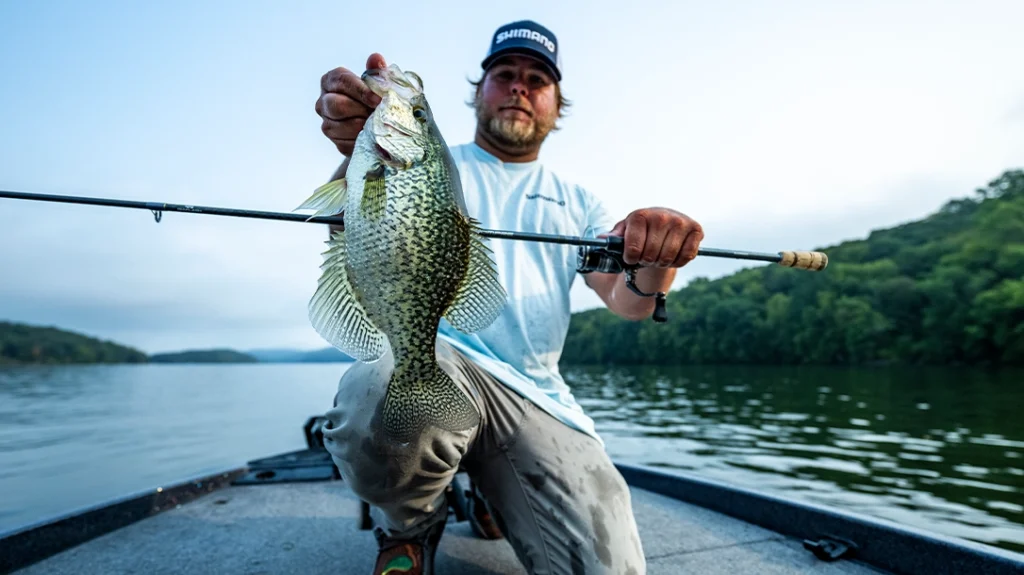
I’ll pitch those baits around dock posts, brush, or timber and let them sink on a controlled line. If fish are suspended, count it down and swim it back slowly. If I catch one, I stay put, because crappie rarely travel alone. Then, if I’ve got enough daylight left, I’ll finish the day back on bass. Evening shadows often pull them shallow again, and it’s a perfect time to pick up that Shimano combo and start covering water with a moving bait. There’s nothing wrong with ending the day the same way you started it.
The Bank Approach
A lot of anglers think fishing two species in one day is only possible with a boat, but that’s not true. You just need to fish smarter from the bank and use timing to your advantage. From shore, I still start with bass first. Low light gives bank anglers their best chance because bass move closer to shore and use the edges to feed. Once the sun gets bright, they can slide out of casting range or bury into cover where they’re harder to reach.
Advertisement — Continue Reading Below
When I’m picking a bank spot, I want somewhere with options. A point, riprap around a bridge, a public dock, or a shoreline with quick access to deeper water all give me a chance at both species. For bass, I’m covering water early. A Berkley spinnerbait or Mepps inline spinner helps me search fast. If they won’t chase, I’ll slow down with a Yum Dinger or Berkley Powerbait and fish methodically. A soft stick bait skipped around cover or dragged slowly across bottom can turn a slow morning around fast.
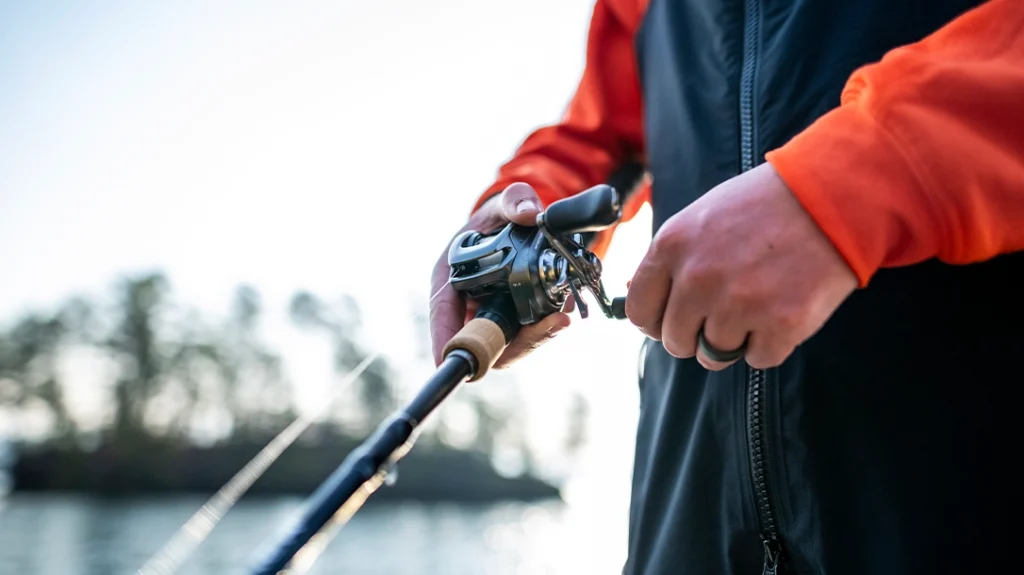
Bank fishing rewards anglers who move. If a stretch looks good but feels dead, don’t waste the morning there. Keep walking until you find the fish. As the bass bite fades, I switch to crappie. Public docks, fishing piers, bridges, and marina edges become prime targets because they give shore anglers access to vertical structure and deeper water.
This is where Bobby Garland baits shine again. I like to fish one under a cork bobber if I need to control depth or cast it out and count it down if fish are suspended. A Little Nipper bait can be excellent when fish are pressured or feeding on smaller forage. The biggest thing with crappie from the bank is depth control. Most anglers change colors before changing depth, but depth is usually the real answer. If I’m not getting bit at four feet, I’ll try six. If six doesn’t work, I’ll try eight. Once you dial that in, the bites often come fast.
If I only have a short trip, I split the day into windows. Early morning belongs to bass. Midday belongs to crappie. The last hour before dark belongs to bass again. It’s a simple plan that works on ponds, reservoirs, and natural lakes all over the country.
Advertisement — Continue Reading Below
Final Thoughts
There’s no rule that says you have to commit to one species all day. In fact, some of the best trips happen when you don’t. Bass give you power strikes and the thrill of the hunt. Crappie give you steady action and a great meal.
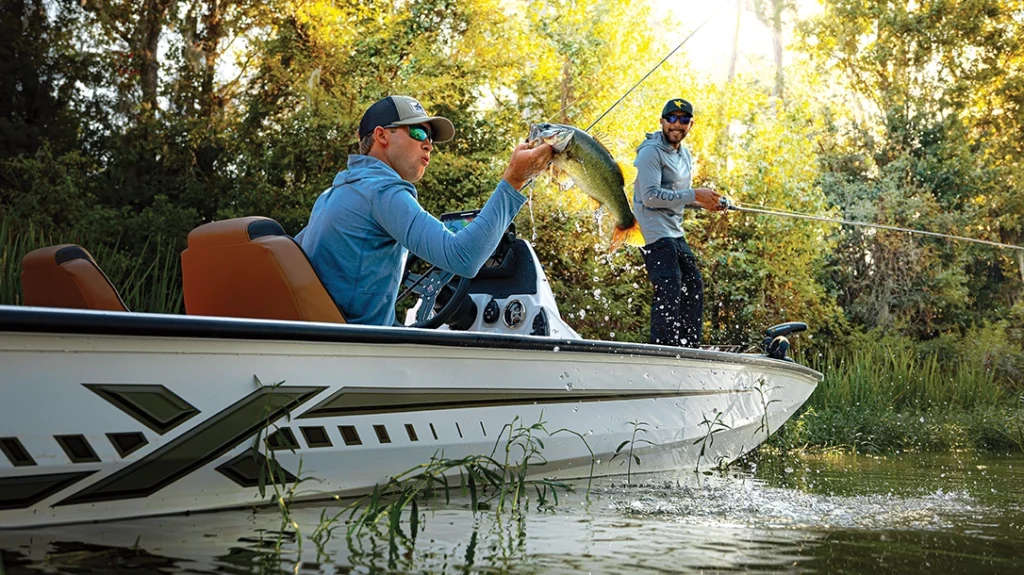
Whether you’re in a boat or on the bank, start shallow and aggressive with bass, then slow down and target structure for crappie once the sun rises. Use quality gear, trust proven baits, and let the lake tell you what to do next.
WHY OUR ARTICLES/REVIEWS DO NOT HAVE AFFILIATE LINKS
Affiliate links create a financial incentive for writers to promote certain products, which can lead to biased recommendations. This blurs the line between genuine advice and marketing, reducing trust in the content.
Advertisement — Continue Reading Below

