

There are a lot of things hunters do in the summer months to get ready for deer season. Trail cameras get hung, food plots get sprayed or planted, and stands get checked. But one of the most overlooked tools for improving a hunting property is a chainsaw.
Food gets most of the attention, and for good reason. Deer have to eat. But cover is what keeps deer comfortable. A mature buck might hit a food source after dark, but where he spends daylight hours usually comes down to security and cover. If your property has food but no cover, deer will visit it, but if it has food and the right kind of bedding cover, they are a lot more likely to stay. This is where summer chainsaw work can make a big difference.
I am not talking about walking into the woods and cutting trees just to make a mess. There needs to be a purpose behind it. The goal is to create better bedding cover, open up the canopy, improve browse, and help steer deer movement in a way that makes the property hunt better when fall rolls around.
Advertisement — Continue Reading Below
Why Summer Makes Sense
Summer is a good time to get this work done because deer season still feels far enough away that you are not worried about bumping deer right before you plan to hunt. Yes, you will disturb the area while you are working, but the woods have time to settle back down before the opening day.
Another thing I like about summer cutting is that you can really see how much cover you have. A woods can look wide open in the winter, then seem completely different once the leaves are on and the undergrowth is up. Summer gives you a better picture of where deer can hide, where they feel exposed, and where a little work could make a bedding area much better.
Advertisement — Continue Reading Below
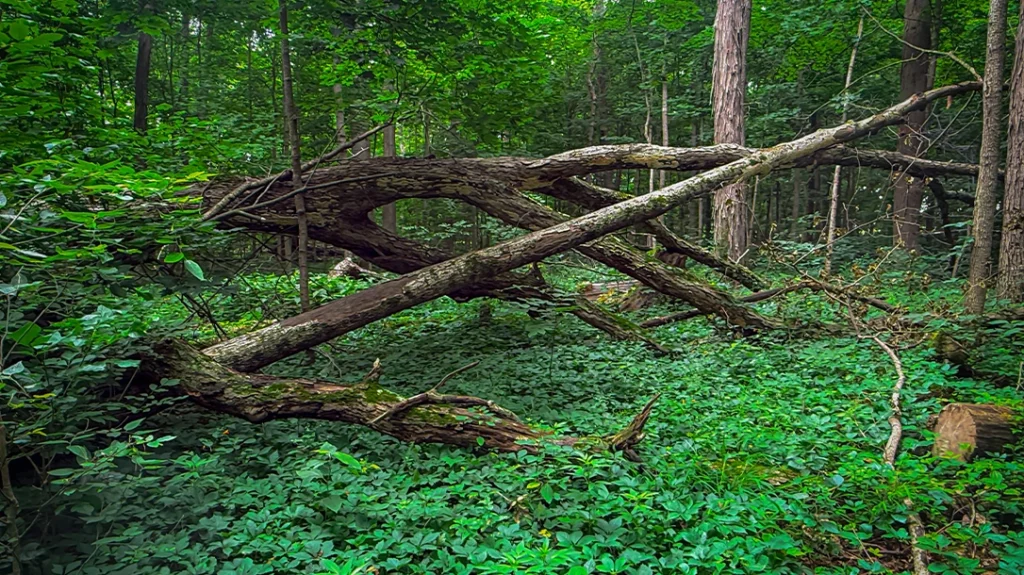
When you drop the right trees and get sunlight to the ground, the woods start changing. New browse comes up. Briars and young growth thicken. Downed tops create structure. All of that can turn an open section of timber into a place deer actually want to spend time.
Start With Areas Deer Already Use
The best bedding improvements usually happen where deer already want to be. I would rather improve a natural bedding area than try to force deer into a spot that does not make sense. Look for benches, points, inside corners, leeward ridges, thick edges, or areas close to food but far enough away to feel safe. If you are already finding beds, rubs, droppings, or trails coming out of a certain area, that is a good place to start thinking about cover.
The key is not to make the whole property a jungle. Deer need to move through it, and you still need to hunt it. Sometimes the best thing you can do is thicken a bedding pocket and leave clean travel routes coming in and out. Other times, dropping a few trees can block one route and encourage deer to use another that puts them closer to a stand.
Advertisement — Continue Reading Below
Every cut should have a reason.
Hinge Cutting Has Its Place
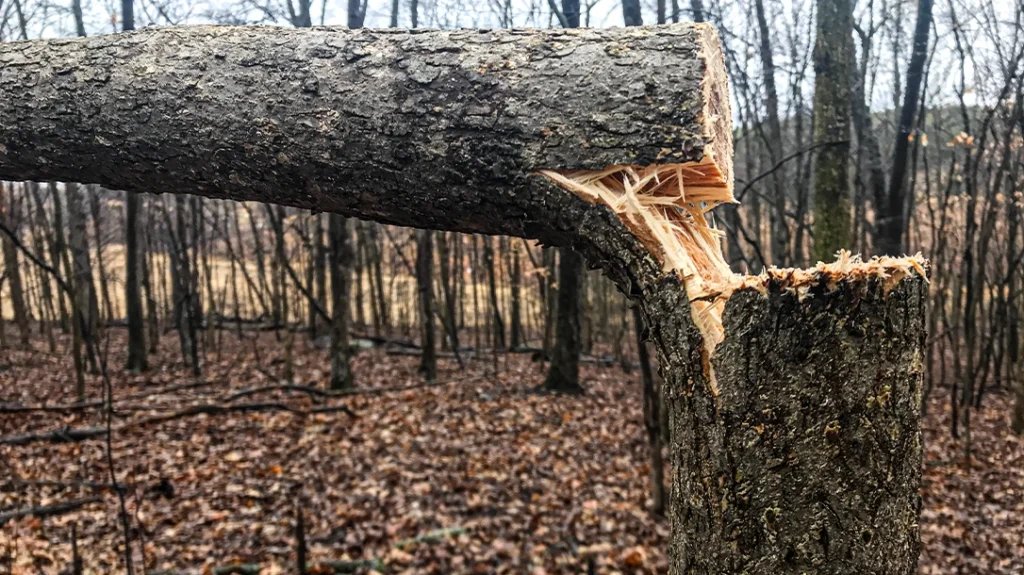
Hinge cutting gets talked about a lot in deer habitat work, and it can be a great tool when it is done right. By cutting partway through a tree and letting it fall while staying attached, you create instant side cover and browse at deer level. That horizontal cover makes deer feel more secure than open, park-like timber.
Advertisement — Continue Reading Below
But hinge cutting is not something you should overdo. Not every tree should be hinged, and not every area needs it. Some trees are better dropped completely, and some should be left standing. Good mast trees, especially oaks, are usually worth protecting unless there is a very specific reason to remove one. I like hinge cuts more for creating pockets of cover, screening trails, or adding structure around existing bedding. A few well-placed cuts can do more than a whole hillside of random ones.
Selective Timber Work Can Pay Off
One part of chainsaw work that gets overlooked is selective timber cutting. In some cases, improving habitat can also generate income. If you have marketable timber, it may be worth talking with a forester before you start cutting. A good selective cut can remove mature or lower-value trees, open the canopy, and put money back in your pocket while improving the property for wildlife. That income might help pay for food plots, access work, stands, cameras, or more habitat improvements. The important word is selective.
Advertisement — Continue Reading Below
A well-planned timber cut is not just about taking trees. It is about improving what is left behind. Removing the right trees can release better trees, create sunlight, add tops on the ground, and build thicker bedding cover over time. Done wrong, timber work can hurt a property. Done right, it can improve both the value of the woods and the way deer use it.
That is why I like to think long term. A tree that took decades to grow should not be cut just because it is in the way or it’s a high value tree. But when timber work lines up with your habitat goals, it can be one of the best improvements you make.
Do Not Forget Safety
Chainsaw work is one of those jobs where confidence can get people in trouble. It does not matter how many trees you have cut; you still have to respect the saw and the tree.
Advertisement — Continue Reading Below
Eye protection, gloves, hearing protection, and good boots should be part of the job. A helmet with a face shield and chaps is a good idea too, especially when working around dead limbs, tops, and hinge cuts.
Hinge cutting can be dangerous because trees do not always react the way you think they will. Lean, vines, tension, dead limbs, and nearby trees can all change how a tree falls. If a tree feels sketchy, leave it alone or get help from someone who knows what they are doing. No deer bedding area is worth getting hurt over.
Small Projects Add Up
You do not have to cut half the farm to improve deer hunting. In fact, small projects are usually better. A bedding pocket here, a blocked trail there, or a little more sunlight along an edge can make a real difference. The best part is that chainsaw work keeps improving over time. The first year, deer may use the tops and added cover. After that, sunlight keeps growing new browse and thicker vegetation. What starts as a summer project can become a bedding area deer use for years.
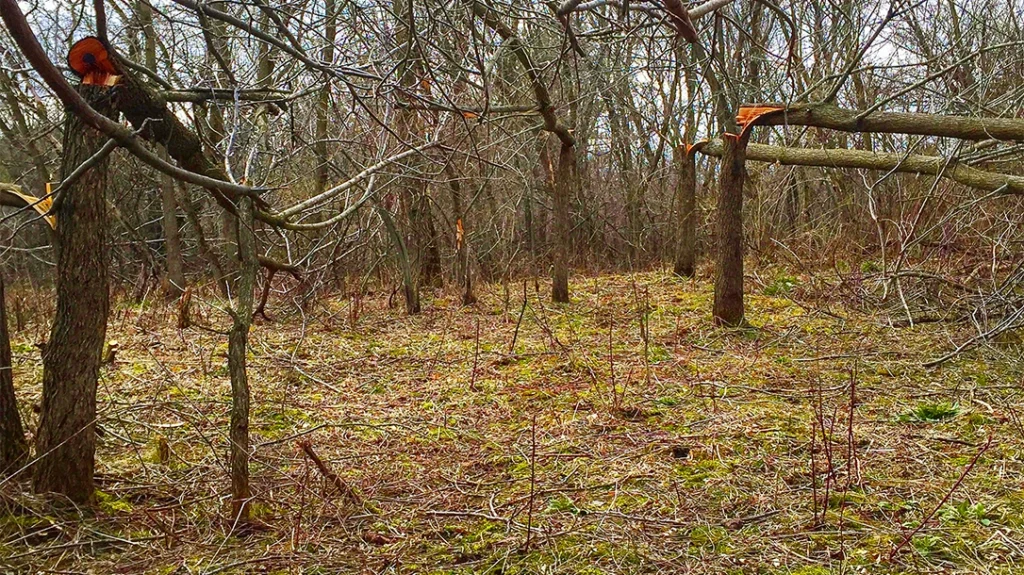
For me, that is what makes this kind of work worth while. It is sweat equity. It is not glamorous, and it is usually done when it is hot enough that most people would rather be anywhere else. But when fall comes and deer start using a pocket of cover you helped create, it is hard not to feel good about the work.
Just remember food gets deer on a property and cover helps keep them there. With a smart plan, a safe approach, and a good saw like the Echo CS-590 Timber Wolf, summer chainsaw work can be one of the best things you do before deer season ever opens.
WHY OUR ARTICLES/REVIEWS DO NOT HAVE AFFILIATE LINKS
Affiliate links create a financial incentive for writers to promote certain products, which can lead to biased recommendations. This blurs the line between genuine advice and marketing, reducing trust in the content.

