

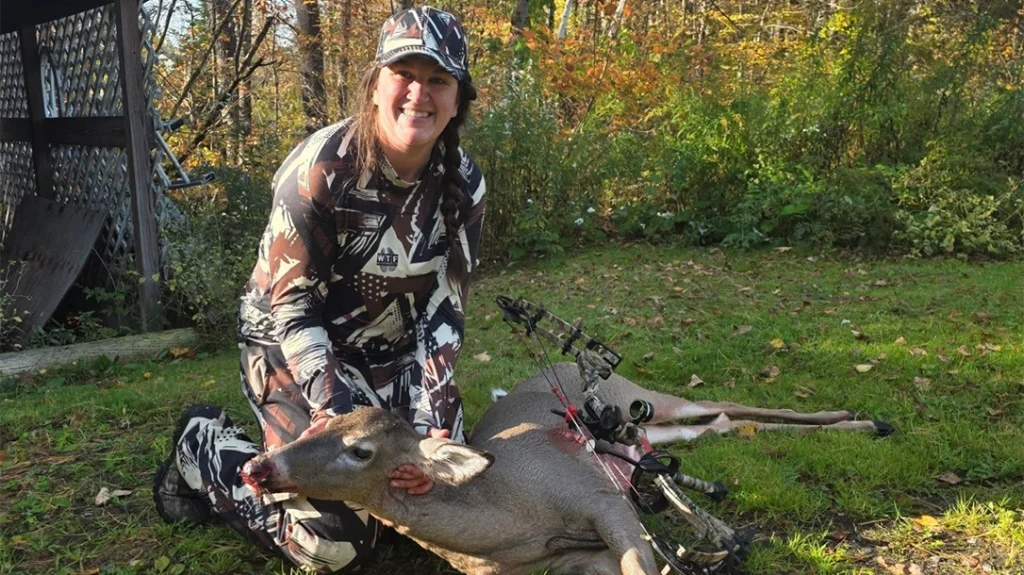
For Sheryl Magdycz, the outdoors has never been just a hobby. It has always been a way of life. Growing up in western Massachusetts, hunting and fishing weren’t weekend activities; they were part of her family’s everyday routine. Time spent outdoors fostered a deep appreciation for nature, but it also served a practical purpose. Hunting and fishing helped put food on the table, especially during the long New England winters, instilling in her an early understanding of self-sufficiency and respect for the natural world.
Today, Sheryl serves as president of the Northeast chapter of the American Daughters of Conservation, is the co-host of the Wild Woman Unfiltered podcast, and is an avid hunter, mentor, and conservation advocate. Through her leadership and dedication to mentoring new outdoorswomen, she works to create welcoming spaces where women can build confidence, develop outdoor skills, and discover their place within the hunting and conservation community. She believes women are not only participating in the future of hunting and fishing—they are helping shape it.
Advertisement — Continue Reading Below
Value-Based Approach to the Outdoors
The values Sheryl learned growing up continue to guide everything she does. Her approach to hunting is rooted in ethics, respect for wildlife, and gratitude for the opportunity to provide food. For her, hunting has never been about trophies or recognition. It’s a lifestyle built on responsibility, conservation, and a lasting connection to the land.
Like all of us, Sheryl’s life changed during COVID, and brought her back to her roots. Moving back to Massachusetts lead her to a remembrance of the deep connection she once had with the outdoors. It first led to her being able to get out more. Of course no one was patrolling the woods telling you to distance yourself from the animals that lived there, and the free time that quarantine gave us had people asking, “what do I do now?”
Advertisement — Continue Reading Below
When she had to be indoors she began writing and vlogging a lot. She joined online conservation and hunting communities, and met many more woman who shared her loved for hunting and the outdoors. After she was gifted a membership, she joined the ADC.
American Daughters of Conservation
She noticed that there were very few members who were part of the northeast, so first she sat back and watched these women on social media, learning from them virtually. She participated in virtual fundraisers and did her best to find her place in the ADC, even from further away from other members.
Eventually she felt the importance of starting a Northeast chapter and building her own community that could she could be around and create a team with, all the time. So, in 2023, the Northeast chapter was born and has since gone from 11 members to 83.
Advertisement — Continue Reading Below
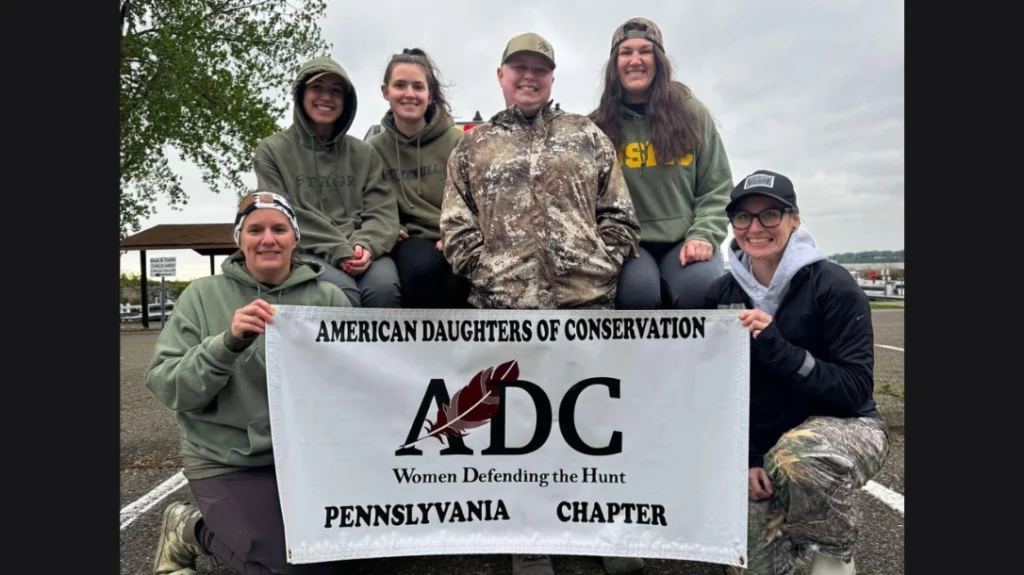
The Northeast chapter is unique because it combines multiple states into one regional chapter. The ADC has created meaningful relationships in her life, and now she is lucky enough to have a close friend in her VP, Sara Bardwell. The chapter operates entirely through donations and fundraising efforts. Alongside social media outreach and educational events, the organization hosted its first ever public banquet on June 13 in Brookline, New Hampshire, raising money for conservation efforts, affordable outdoor education for women, and scholarships for young girls to attend conservation camp.
This summer, the chapter is sending five girls ages 12 to 14 to an all girls conservation camp in Vermont free of charge, where they will spend a week immersed in outdoor education and leave with their hunter education certificates. A experience Sheryl says changed her life when she attended the same camp at 12 years old.
Advertisement — Continue Reading Below
Women Changing the Outdoor Industry
Sheryl believes that there is a shift happening for women in the hunting and outdoor spaces. Growing up, girls who liked being outside or hunting were considered “tom boys”, and put girls inside a box if they enjoyed any of these activities. Now we are seeing an uptick in women from all different parts of the world, interests, and lifestyles, coming together with this shared interest.
Hunting used to be heavily male dominated but now women today are entering the community for many different reasons, including self-sufficiency, ethical food sourcing, conservation, and community.
Advertisement — Continue Reading Below
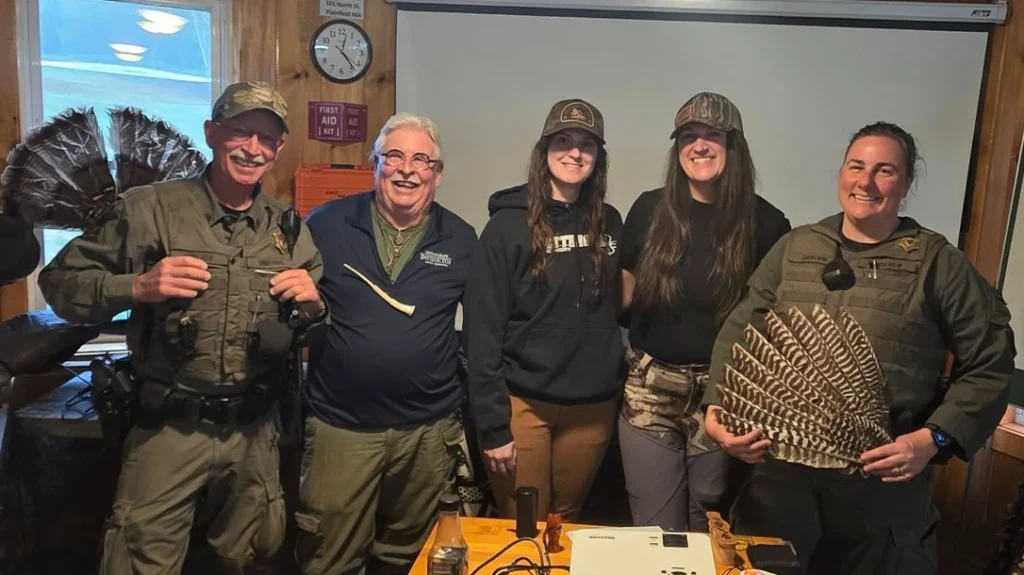
Adults becoming hunters is also becoming more common. Women-led classes also tend to create a safer and more comfortable learning environment for other women. This creates an amazing opportunity as well for the mentees to end up with a desire to become the mentors themselves. One of Sheryl’s favorite experiences as a hunter is seeing other hunters accomplish their goals. The empowerment that women feel when they successfully harvest their first animal or gain confidence outdoors is like no other.
Ethics, Education, and Hard Conversations
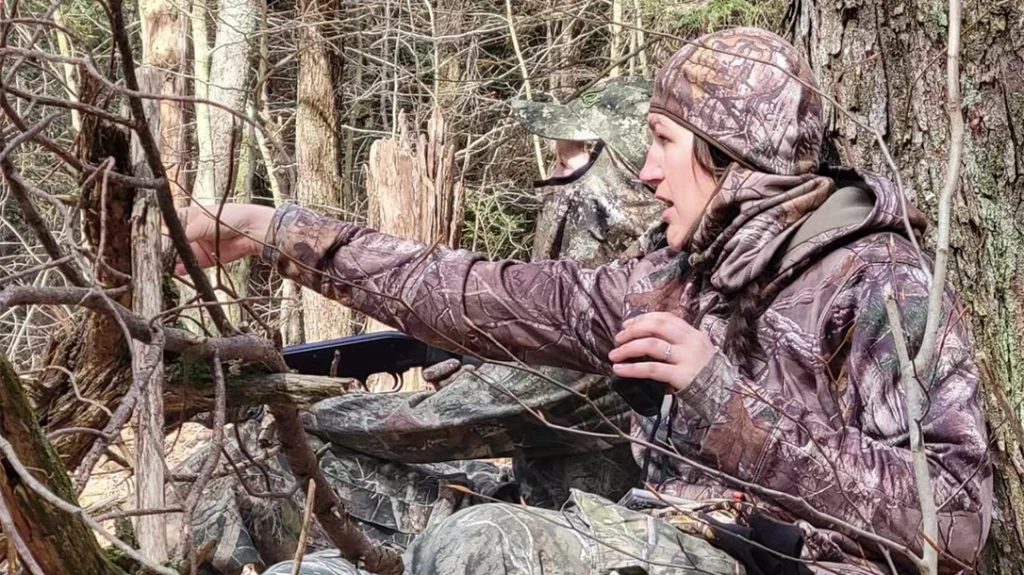
Ethics are central to everything that Sheryl teaches. But she also supports the idea that every hunter is their own individual with their own choices, and as long as they’re not breaking the law, she must respect their own journey.
Advertisement — Continue Reading Below
In her own journey, respect for wildlife and conservation comes first. Going back to her upbringing, the necessity for hunting was to put meat on the table and that is still the main goal and why she hunts. While being dedicated to her ethics, she also encourages open discussion in the community around controversial topics in hunting.
Some of us are just repeating things we were taught, and having an open mind leads to a better hunter. She mentions topics such as crossbow debates, different hunting styles, social media responsibility, ethical harvesting practices, and avoiding toxic “keyboard warrior” culture. She believes that education matters even for non hunters and constructive conversations help strengthen the future of conservation.
Wild Woman Unfiltered
Sheryl hosts a podcast with Sara Bardwell where they focus on women in the outdoors. They speak to women all around the country and not just hunters. While their focus is mostly women at the moment, Sheryl mentions how she is open to speaking with men in the outdoor community as well and that we all have something to learn from each other.
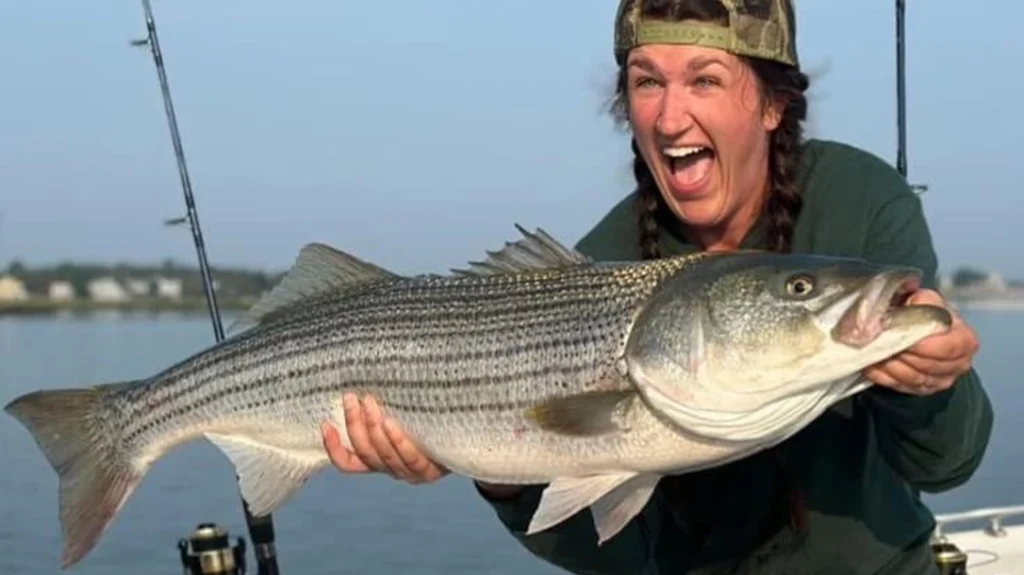
They want to create a space for conservationists and outdoorswomen and men to talk about hunting, fishing, conservation, mentorship, confidence and controversial topics. She even has an upcoming episode with a woman from Florida who creates jewelry out of the animals that she harvests. Speaking about animals that we in the Northeast, are unfamiliar with harvesting. The podcast is all about relatability and community, hopefully removing intimidation around the topics.
Mentorship and the Future of Conservation
Mentorship is extremely important to Sheryl. It matters because teaching new hunters gives her purpose. Creating hunters not only helps them, but creates a future for the outdoors and the activities that keep it alive. She loves watching others succeed, sharing about how sometimes she thinks she may get more excited when someone else has a successful hunt than when she does herself. She also mentions how receiving texts from women with pictures of them after their first successful hunts brightens her entire day.
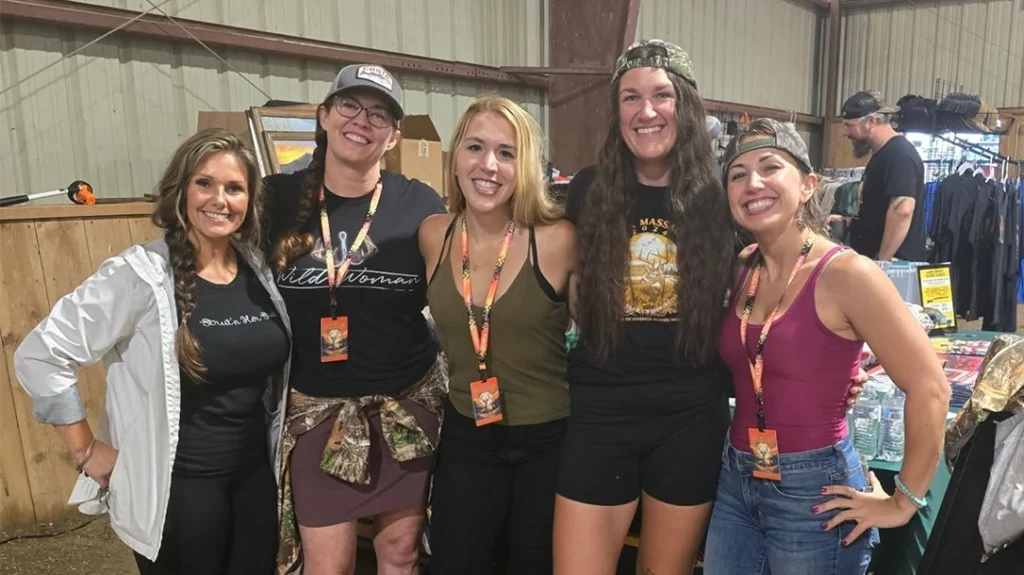
Mentees turn into mentors, and this creates a chain reaction. Conservation depends on future generations continuing to learn outdoor skills and self sufficiency. Her dedication to the youth shows in her work with the ADC and her mentor programs.
Hunting as Connection, Not Division
She believes in coming together as a community, despite our differences, so that we can all use our different appreciations for the outdoors to better conservation. Women play an amazing role now in creating new spaces in hunting and conservation. Asking questions never asked before, or answering them in new ways. Outdoor education preserves ecosystems and creates a better future for nature. Sheryl’s work is not just about hunting, but about community, confidence, conservation, ensuring future generations still have wild places left to protect.

