

We have all heard of SPF and maybe even UPF, but what do those terms actually mean? More importantly, how can you use them to better protect yourself while enjoying time outdoors?
In the United States, skin cancer remains the most commonly diagnosed cancer, with millions of cases occurring every year. According to the Center for Disease Control, about 1 in 5 Americans will develop skin cancer by age 70. Each year, an estimated 5.4 million cases of non-melanoma skin cancers, including basal cell and squamous cell carcinomas, are treated in the U.S., affecting more than 6.1 million adults.
These numbers highlight just how important it is to protect yourself from harmful ultraviolet (UV) rays while enjoying activities like hiking, fishing, boating, hunting, paddling, or simply spending time outside.
Advertisement — Continue Reading Below
One reason skin cancer rates have increased is that Americans are spending more time participating in outdoor recreation. At the same time, modern clothing generally covers less skin than it did decades ago, increasing our overall UV exposure. Fortunately, understanding SPF and UPF can help you significantly reduce your risk.
What Does SPF Mean?
SPF stands for Sun Protection Factor. It measures how effectively a sunscreen protects your skin from UVB rays, the primary cause of sunburn. The higher the SPF number, the greater the level of protection.
An easy way to remember SPF ratings is that they indicate how much UV radiation reaches your skin. For example, SPF 50 allows about 1/50th of UV radiation through. SPF 30 allows about 1/30th through, while SPF 15 allows about 1/15th through.
Advertisement — Continue Reading Below
No sunscreen blocks 100% of UV rays, but choosing a higher SPF provides greater protection when used correctly.
A Brief History of SPF
The concept of SPF dates back to 1962, when Austrian chemist Franz Greiter developed the first Sun Protection Factor measurement. His original product, Gletscher Crème (Glacier Cream), carried an SPF rating of just 2.
Advertisement — Continue Reading Below
Greiter officially introduced the SPF scale in 1974, and the FDA adopted the testing and measurement process in 1978.
Before the 1990s, most sunscreens had SPF ratings below 25. Advances in sunscreen technology eventually led to products offering SPF ratings of 30, 50, and higher, giving consumers much better protection than was previously available.
What Is UPF?
While SPF measures sunscreen performance, UPF stands for Ultraviolet Protection Factor and measures how well clothing blocks UV radiation.
Advertisement — Continue Reading Below
A standard plain white T-shirt typically has a UPF rating of only 6 or 7, allowing a significant amount of UV light to pass through the fabric.
Today’s purpose-built outdoor clothing is a different story. Many specialized fabrics in 2026 are rated UPF 50, meaning only 1/50th of harmful UV rays can penetrate the material.
UPF standards were first established in Australia in 1996, making Australia a leader in developing clothing designed specifically for sun protection.
Advertisement — Continue Reading Below
Getting the Most Protection
Understanding SPF and UPF is only part of the equation. Using them correctly is just as important.
For most outdoor activities, I recommend choosing sunscreen with an SPF between 30 and 50 and applying it exactly as directed on the label.
Different products have different reapplication schedules for good reason. Sweat, water, and even rubbing against clothing, backpacks, or gear gradually remove sunscreen from your skin. Reapplying as directed is essential if you want the product to provide the protection it’s designed to deliver.
Advertisement — Continue Reading Below
My Go-To Sun Protection Setup
The shirt I wear most often for sun protection is the Sulli model shirt from 5.11 Tactical. It features a UPF 50 rating, includes a hood for additional coverage, and remains breathable even during the hottest days.
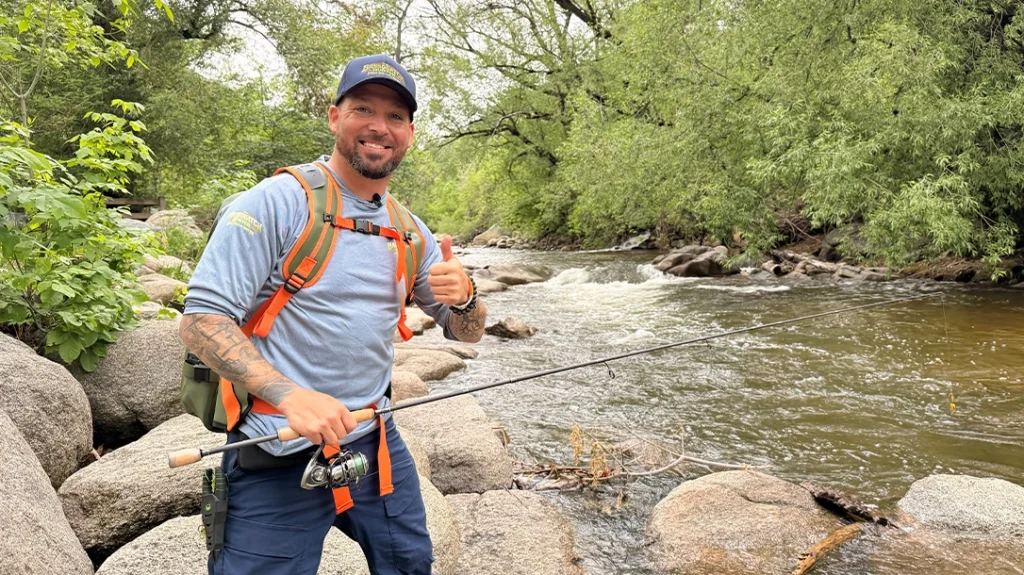
I pair it with Australian Gold Extreme Sport SPF 50 sunscreen, along with the company’s Face & Scalp Mist. Together, this combination gives me the confidence that I’m getting excellent protection whether I’m on the water, in the woods, or spending a full day outdoors.
Final Thoughts
The best sun protection comes from combining quality sunscreen with protective clothing and using both correctly. Read and follow the directions on every product you use, reapply sunscreen when recommended, and wear UPF-rated clothing whenever possible.
A little preparation goes a long way toward protecting your skin for years to come. Stay safe, stay informed, and enjoy your time outdoors.
WHY OUR ARTICLES/REVIEWS DO NOT HAVE AFFILIATE LINKS
Affiliate links create a financial incentive for writers to promote certain products, which can lead to biased recommendations. This blurs the line between genuine advice and marketing, reducing trust in the content.

