

There’s something about moving water that just resets the brain. Whether you’re drifting a lazy Ozark stream or navigating a small winding river in middle Tennessee, a river float day trip sits in that rare, sweet spot of adventure that almost anybody can pull off with a little planning. The key word here is planning. Show up unprepared and what should be a great day turns into a miserable, sunburned slog with a dead phone and no dry clothes. Here’s what you need to know before you put the boat in.
Choosing Your Boat
The vessel you choose shapes everything about your day. Canoes offer the most versatility for gear hauling and extended trips, but they punish inexperienced paddlers on tight bends. Kayaks are more forgiving and naturally drain water, which makes them a smart pick for families or anyone newer to floating rivers. Inflatable rafts and tubes work great on calm, shallow rivers but they’re slow and harder to control in any kind of current.
For a river fishing float, you want a stable sit-on-top fishing kayak in the 10–13-foot range, which gives you the ability to stand and fish in calm water, the speed to manage current, and enough deck space to rig out properly. Fishing kayaks have flush-mounted holders keep your rods secure through riffles, and an adjustable crate or tackle management system in the rear tank well keeps your gear organized and accessible. Digging through a pile of loose tackle boxes while drifting toward a log jam is not a fun experience.
Know your river before you commit. A gentle float on a Class I stream is a completely different animal than a technical run with strainers and sweepers. Check water levels through your state’s USGS stream gauge data. Flows can change dramatically after heavy rain, and a river that was perfect last weekend might be a dangerous torrent today.
Advertisement — Continue Reading Below
The Right Gear
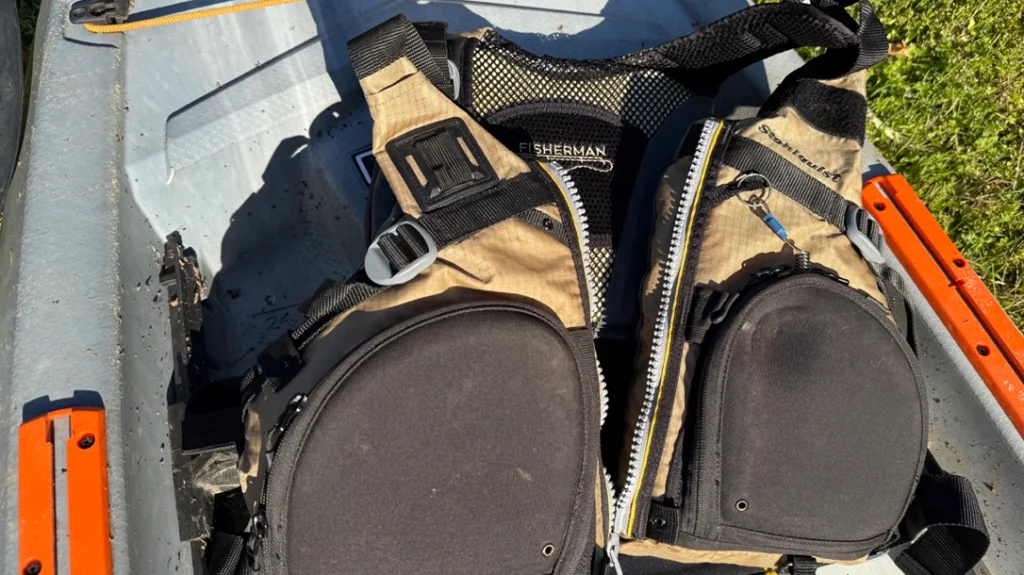
Life jackets are non-negotiable. The fishing-specific life jackets are cut to allow full arm movement for casting and paddling, which means you will wear it instead of leaving it bungeed to the bow. Wear it the whole float. River hydraulics do not announce themselves. Tell someone your float plan, including your put-in, take-out, and expected return time. Rivers don’t care about your schedule, and neither does a strainer.
A quality carbon paddle is also essential equipment for a river float in my book. A cheap aluminum paddle with plastic blades will get you down the river, but it will also wear out your shoulders by mile three and flutter unpredictably when you need a precise correction stroke around a rock garden. Carbon-blended shafts cut significant weight compared to fiberglass or aluminum, and that difference adds up over a full day on the water. They also have a stiff blade that will move more water with every stroke. Your shoulders will thank you by mid-afternoon.
Sun and Weather Protection
River days chew through sunscreen faster than you’d think. Water reflects UV constantly, and you’re exposed from above and below at the same time. Use a reef-safe SPF 50 and reapply every two hours without fail. A lightweight sun shirt is honestly better protection than sunscreen alone, and it’s far less hassle. UPF-rated shirts and hoodies have become comfortable enough that there’s no real excuse not to wear one.
Don’t get lulled by morning clouds. Afternoon heat on the water is intense, and dehydration sneaks up on you when you’re having fun. Pack more water than you think you need. A soft-sided cooler lashed to your boat works perfectly for water and snacks.
Advertisement — Continue Reading Below
Dry Storage Solutions
Waterproof dry bags are essential for anything you cannot afford to lose to the river. Your wallet, car keys, and phone go into a dry bag every single time, full stop. A dedicated waterproof phone case or pouch that hangs around your neck gives you easy access without gambling your device.
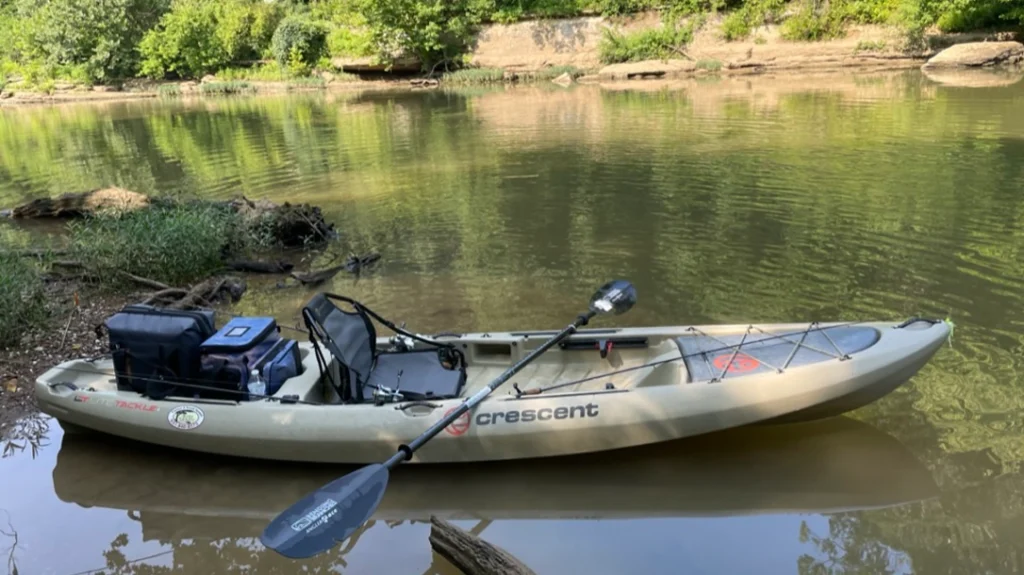
Organize your gear into separate bags by priority. Essentials like your first aid kit, sunscreen, and snacks go in a smaller bag you can access easily mid-float. Dry clothes go in a larger bag stowed securely in the boat. Pack your lunch and drinks in a separate waterproof cooler bag so you’re not digging around every time you want a snack.
Food and Snacks Worth Packing
Modern cooler bags and ice packs have come along way and can keep your food and drinks cold all day. For food, skip anything that requires complicated prep. Energy bars, trail mix, summer sausage, hard cheese, and crackers travel well. If you’re doing a longer float, wraps or sandwiches packed tightly in zip-lock bags also work great. Don’t forget hand sanitizer to clean your hands before you eat.
Hydration is also easy to neglect when you are paddling down a river. Pack at least two liters of water per person and make sure to drink it. A soft-sided insulated water bottle lashed to your kayak within arm’s reach works well. Dehydration and heat fatigue sneak up fast on a full sun day on the water.
Advertisement — Continue Reading Below
Tackle Strategy for River Float Fishing
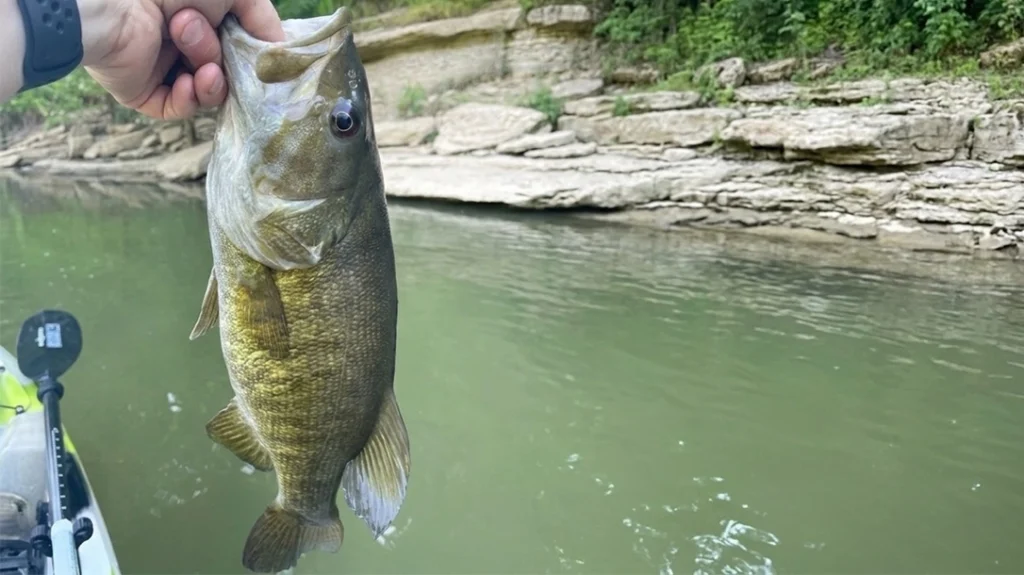
If you plan to fish, float trips reward versatility. The fish you target will change with the water type, current speed, and structure as you move downstream. Smallmouth bass dominate most Appalachian and Ozark River systems, and they respond well to tube jigs and soft plastic baits fished along rocky bottom transitions.
Keep your active rod rigged and ready while your backup rods stay secured in flush mounts and secured with bungee cords. Rig each rod for a different scenario, maybe one for topwater along shaded banks, one for bottom contact in deeper holes, and one for reaction baits around current breaks. Switching techniques becomes fast and simple when you are not re-rigging on the water.
Navigation and Shuttle Logistics
River logistics trip up more people than bad paddling. You need to solve the shuttle problem ahead of time, meaning how you get back to your vehicle after the float. Options include shuttling a vehicle to the take-out before you launch, using a local outfitter’s shuttle service, or coordinating with a friend to pick you up. Outfitter shuttles are worth every dollar on an unfamiliar river, as they can give you advice on your gear and obstacles to be aware of in certain sections of the river. Take a photo or download an offline map of your route before you launch. Cell service can disappear fast once you’re in a river corridor.
Leave the River Better
Pack a small trash bag and pick up anything you find along the bank or in the water. Rivers deserve better than what they often get from careless boaters. It takes almost no extra effort, and it makes a real difference. Rivers are shared resources, and they only stay worth floating if the people who use them treat them with respect. Plan well, stay safe, and enjoy every minute of it.
Advertisement — Continue Reading Below
WHY OUR ARTICLES/REVIEWS DO NOT HAVE AFFILIATE LINKS
Affiliate links create a financial incentive for writers to promote certain products, which can lead to biased recommendations. This blurs the line between genuine advice and marketing, reducing trust in the content.

