

The reality is that law enforcement officers have a dramatically higher probability of being in a physical altercation, as opposed to being forced to use their firearm. In many cases, officers end up putting their hands on subjects almost daily. With this, the need for good combatives training skills is critical. The law enforcement community has embraced this idea and, over the decades, has implemented defensive tactics and even martial arts training programs. As a person who has been in the law enforcement training arena for over four decades, I often get the question, ” What is the best martial art for law enforcement? My answer surprises many because, in truth, there is no single perfect martial art.
Martial Arts for Law-Enforcement – Pros and Cons
While there are countless martial arts, a few have become popular in the law enforcement training community. And while it may hurt some feelings, it’s time to look at the pros and cons of each of these arts.
Advertisement — Continue Reading Below
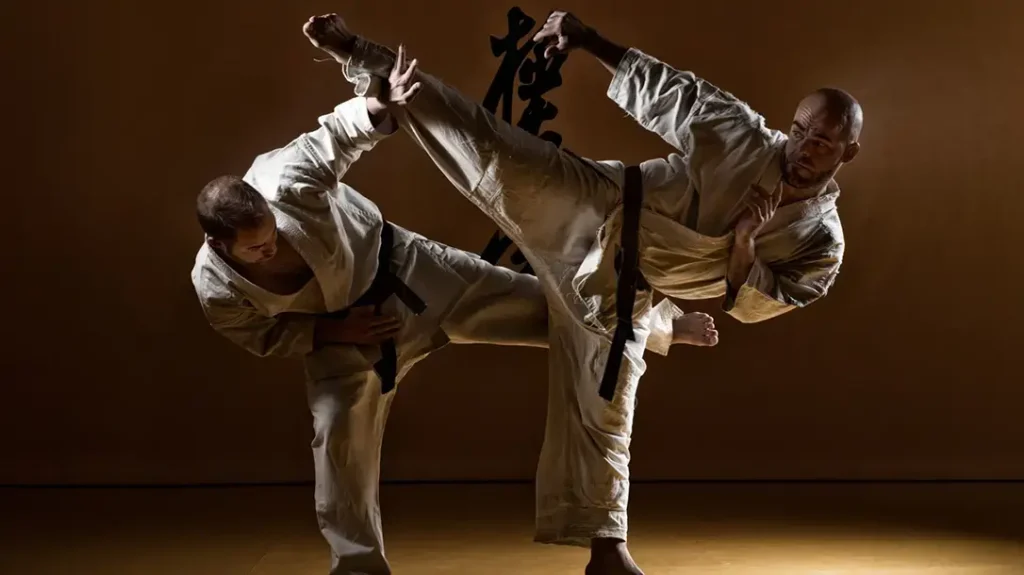
Karate
First up, we’ll look at traditional Japanese karate. Karate, in many ways, is seen as the grandfather of all martial arts. In fact, many people refer to just about any martial art as karate. The pros of this art are that, when trained correctly, students can develop strong striking and kicking skills. The downside, however, is that karate is often one-dimensional. The lack of much grappling training and controls creates a limitation for this art in regard to law enforcement.
Advertisement — Continue Reading Below
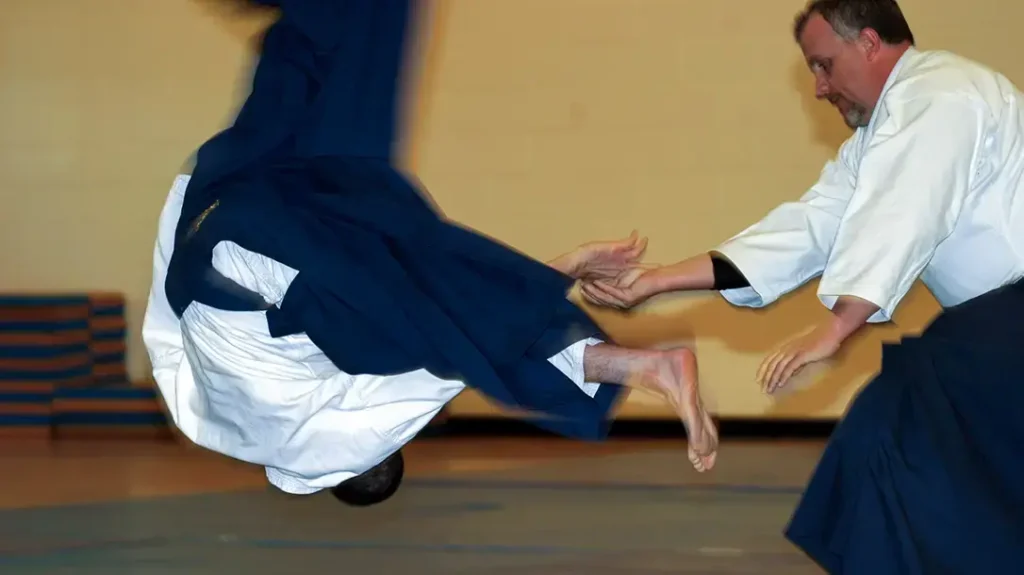
Aikido
Next up, we will look at my beloved Aikido. I have been training in Aikido for over 40 years and find it to be an excellent martial art. However, like other martial arts, it has its limitations. Aikido emphasizes joint manipulation, throws, and blending with attacks. What it lacks is detailed training in striking. This lack of significant striking skills limits Aikido’s effectiveness for the law enforcement community.
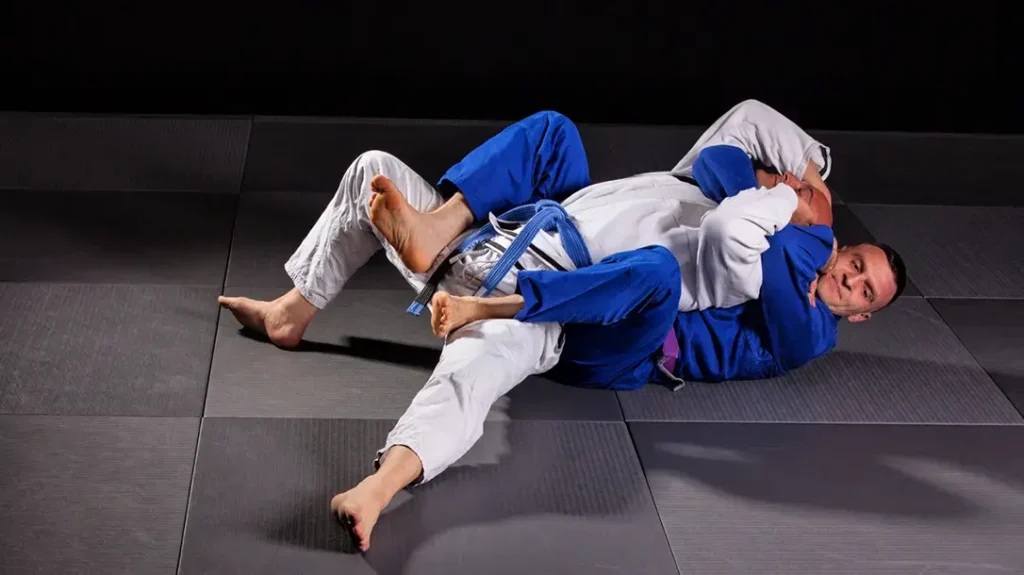
Brazilian Jiu-Jitsu
An art that has become very popular in law enforcement circles is Brazilian Jiu-Jitsu. The primary focus of this art is on grappling and controls. In this arena, it is exceptionally effective. The challenge it faces, however, is similar to that of Aikido. In most cases, it lacks much, if any, striking skills whatsoever. What I have seen with this art is an adaptation by forward-thinking agencies. Here in Mesa, Arizona, where I live, the Mesa Police Department implemented department-wide “police jiu-jitsu” training. The data revealed an 80% reduction in strikes against suspects and a drastically decreased risk of injury to both officers and subjects.
Advertisement — Continue Reading Below
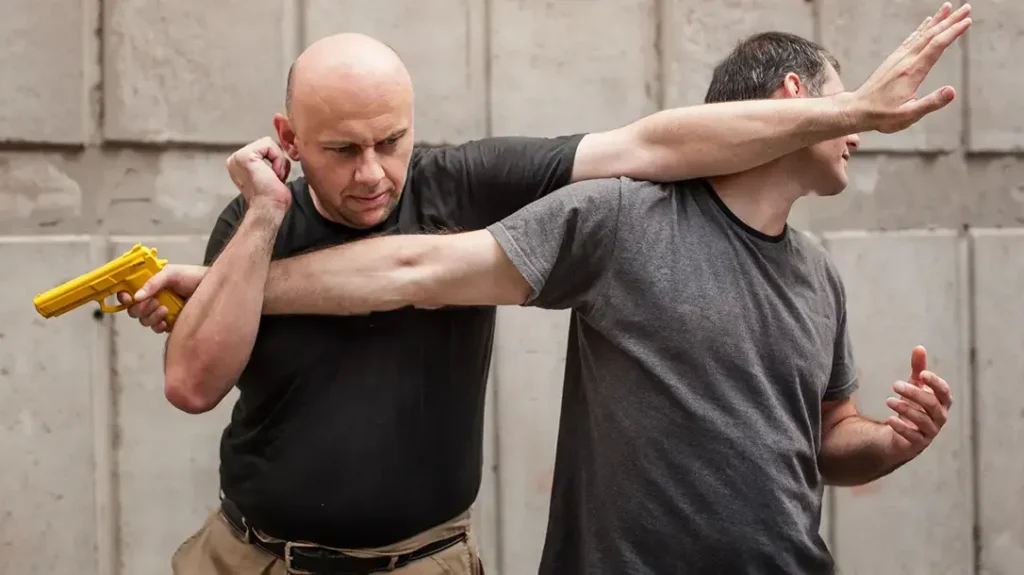
Krav Maga
The last art we will look at is Krav Maga. Krav Maga is a practical, principle-based self-defense system developed by the Israeli Defense Forces (IDF). It focuses entirely on real-world survival, combining instinctive movements with aggressive counterattacks to neutralize threats quickly. When taught correctly, it provides law enforcement with solid skills. The main drawbacks of Krav Maga are its focus on lethal force and rapid incapacitation, which often conflict with use-of-force policies, and its general lack of controlled grappling and ground control techniques necessary for making safe, non-lethal arrests.
Advertisement — Continue Reading Below
Cross Train
In the end, after decades of training in multiple martial arts, I have learned one thing: that once again, there is no one perfect martial art. Anyone serious about truly understanding combatives should train in a variety of arts. Law enforcement officers need a comprehensive tool kit of skills. They need controls, striking, and grappling in order to be well-rounded and capable of dealing with physical dangers. Following this cross-training principle is one of the best ways any officer can ensure they go home safely at the end of the shift.
WHY OUR ARTICLES/REVIEWS DO NOT HAVE AFFILIATE LINKS
Affiliate links create a financial incentive for writers to promote certain products, which can lead to biased recommendations. This blurs the line between genuine advice and marketing, reducing trust in the content.
Advertisement — Continue Reading Below

